

Practice Guide: Building Plant Resilience to Pest and Disease
PART OF A SERIES OF PRACTICE GUIDES TO USE IN YOUR REGENERATIVE CROPPING TOOLSET | LAST UPDATED: March 2026
Overview
Building resilience to pests and disease means using a mix of strategies suited to your farm and landscape. There’s no one-size-fits-all solution. Many farmers are choosing to focus on building plant health and biodiversity as a key strategy for reducing the impact of pests and disease on crops.
Through careful monitoring to diagnose issues and inform management choices, it’s possible to design an approach and implement practices that build plant resilience and allow them to safely reduce or completely eliminate fungicides and insecticides.

Before trying a new practice, it is important to consider your unique context and goals. What are you trying to achieve? Soil and landscape ecosystems are complex, and no two farming systems are the same – what worked for one farmer may not work for you. So consider starting small, monitoring the results and allowing some room for trial and error. There is no silver bullet when it comes to addressing soil health, so think about which strategies or combinations of other practices may be suitable to support what you’re doing.

Important: This Guide is designed to provide general information only. It is not tailored to the context of any individual farm, person or business, and does not constitute advice. Before using the information, you should carefully evaluate its accuracy, currency, completeness and relevance for your purposes, and consider seeking advice from appropriate professionals who have taken into account your individual circumstances and objectives. As a nonprofit dedicated to supporting farmers, we work hard to ensure our information is useful and accurate. However, Soils for Life accepts no liability arising from any use or release of information in, or referred to in or linked to this guide, or any error, inaccuracy or omission.


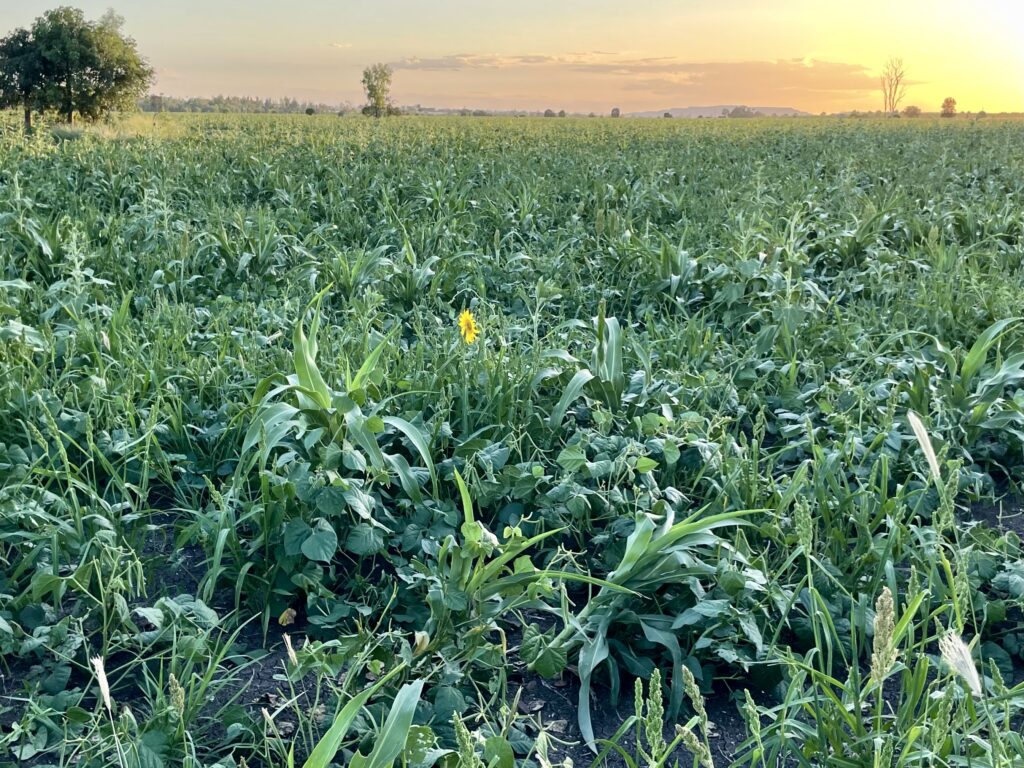
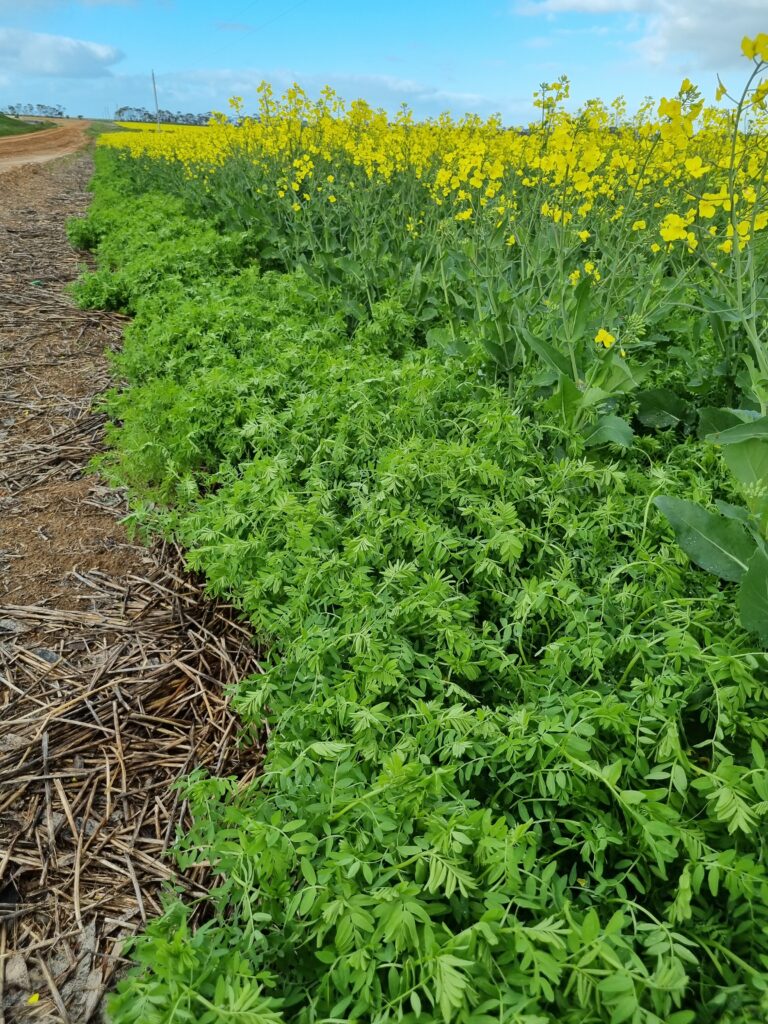
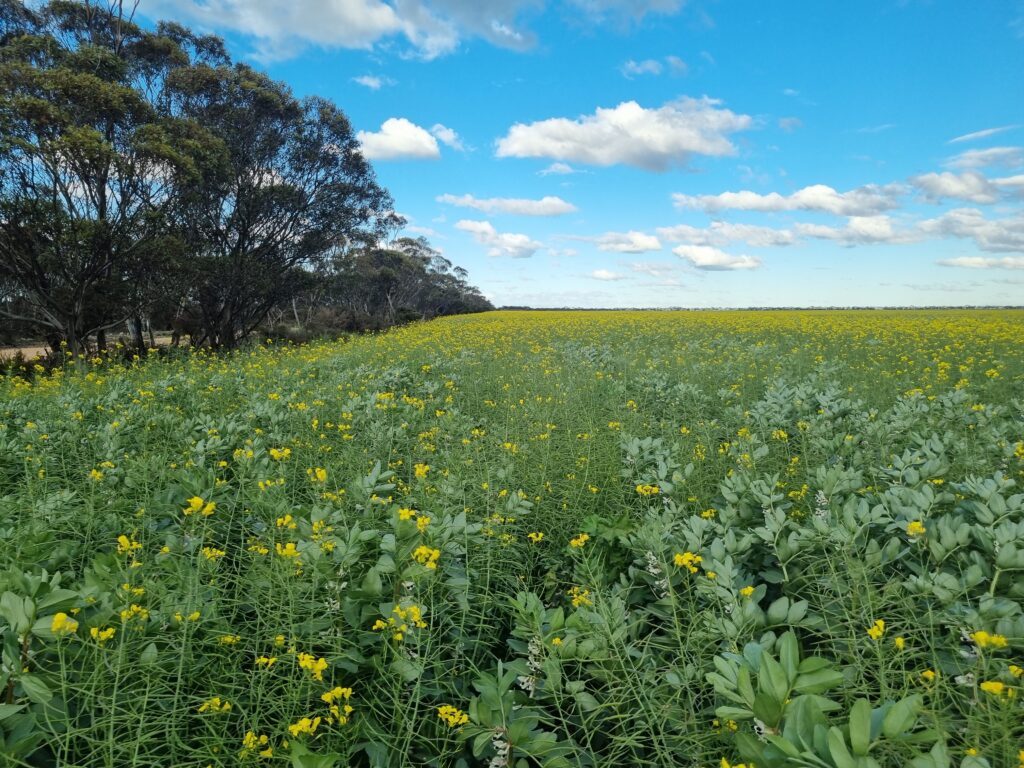
What does building resilience to pests and disease mean?
Building resilience to pests and disease involves various strategies that support plant health and build plants’ capacity to withstand or defend against stressors. It’s about addressing the root cause behind pest and disease pressure and supporting a diverse ecosystem above and below ground where predatory or beneficial organisms outnumber or manage pests and pathogens. This often requires reducing insecticides, fungicides and other inputs or management practices that can increase the vulnerability of, or have indirect impacts on, plant and ecosystem resilience and health.
There are different frameworks that can be helpful when looking to build resilience to pests and disease. This guide will outline some of the frameworks, strategies and practices that can support plant resilience to pest and diseases, including:
- Providing targeted nutrition to optimise plant health
- Monitoring and intervening wisely (reducing insecticides and fungicides and replacing with biological alternatives)
- Choosing crops and a rotation with characteristics that are suited to your system and context
- Building soil health to support plant resilience
- Strengthening the whole farm ecosystem to reduce pest and disease pressure.

Farmers building plant resilience
This guide includes examples from three Australian farmers throughout, showing their approach to building plant resilience in different farming systems.

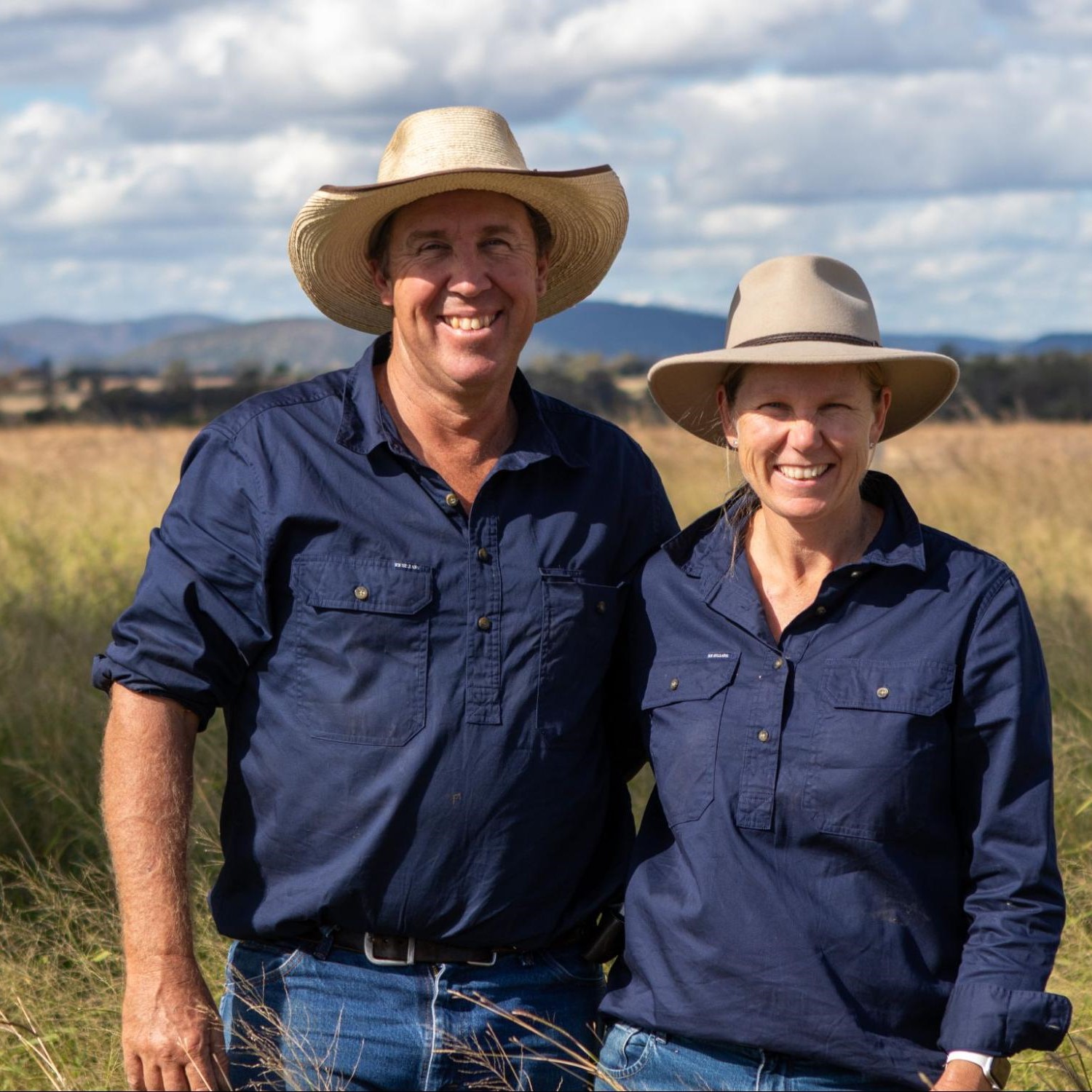
Julie and Myles Ballentine run a mixed enterprise cropping and livestock business on their family farm, Namgoori, near Banana, Queensland. They specialise in beef, chickpeas, mung beans, wheat and sorghum. As big-picture thinkers, their focus is on long-term resilience for both their business and the landscape that they and their three children live on and farm. The Ballentines’ soil stewardship journey began in the mid-2000s after completing a post-drought RCS Grazing For Profit program and learning about landscape rehydration. Myles credits his parents for adopting minimal tillage and stubble retention early on, setting the stage for the practices they use today.
Initially, the Ballentines started building plant resilience by including multispecies cover crops in their cropping rotation to improve soil health. They also began brewing biofertilisers on-farm to gain more control over plant health and input costs. This focus on diversity and plant health has allowed them to significantly reduce their insecticide and fungicide inputs.
Location: Gangulu Country, Banana, QLD
Regional Climate: Hot humid summer/Subtropical sub-humid
Average Annual Rainfall: 650 mm
Property Size: 1000 ha
Elevation: 186 m
Social Structure: Family farm
Enterprise Type: Mixed cropping and livestock, dryland cropping focusing on pulses and cereals
Pest and Disease Resilience Strategies: Supporting plant health through biofertilisers as a foliar, seed treatment and soil drench, reducing insecticides and fungicides, and considered crop rotations
Soils: Cracking clays (Vertosols)

Brad and Caitlin Campbell farm with their three young daughters at Scaddan and Munglinup in Western Australia’s Goldfields-Esperance region. The Campbells grow a diverse mix of crops, with canola, barley, wheat and lentils forming the backbone of their rotation. Depending on the season, they’ve also experimented with oats, beans, peas, vetch, sunflowers, safflower, chickpeas, linseed, corn, sorghum and hemp.
Their shift toward more regenerative farming practices began over 25 years ago, when concerns about family health prompted Brad’s parents to explore new strategies. While Brad’s parents have since passed away, their curiosity and willingness to learn continue to guide the farm’s direction. Since joining full time in 2010, Brad has continued that journey with his wife Caitlin, driven by curiosity and a desire to understand how different crops, soil biology and whole-of-farm systems interact.
To reduce pest and disease pressure, the Campbells focus on optimising plant and soil health, as well as photosynthesis. They use tools such as strip and disc seeding, along with comprehensive soil and sap testing, to guide crop rotations and fertiliser programs. Their approach places particular emphasis on seed primers, liquid banding and foliar nutrition. Regular monitoring, crop diversity and a keen eye for observation help them fine tune decisions and maintain plant resilience.
The Campbells have been fungicide-free since 2018 and use minimal insecticides only when necessary. Their cropping system is designed not just for profit, but to support soil health, microbial life and resilient plant communities that can thrive with fewer chemical inputs.
Location: Wudjari Noongar Country, Scadden and Munglinup, WA
Regional Climate: Warm summer, cold winter/Temperate
Average Annual Rainfall: 400 mm
Property Size: 4,700 ha total
Elevation: 184 m
Social Structure: Family farm
Enterprise Type:Cereals, pulses, oilseeds and cattle
Pest and Disease Resilience Strategies: Regular plant and soil testing, along with tailored foliar nutrient applications, crop rotations, intercropping trials, and a reduction in insecticides and fungicides.
Soils: Sand over gravel/clay duplex, calcareous loams, sodic subsoils (Sodosols)
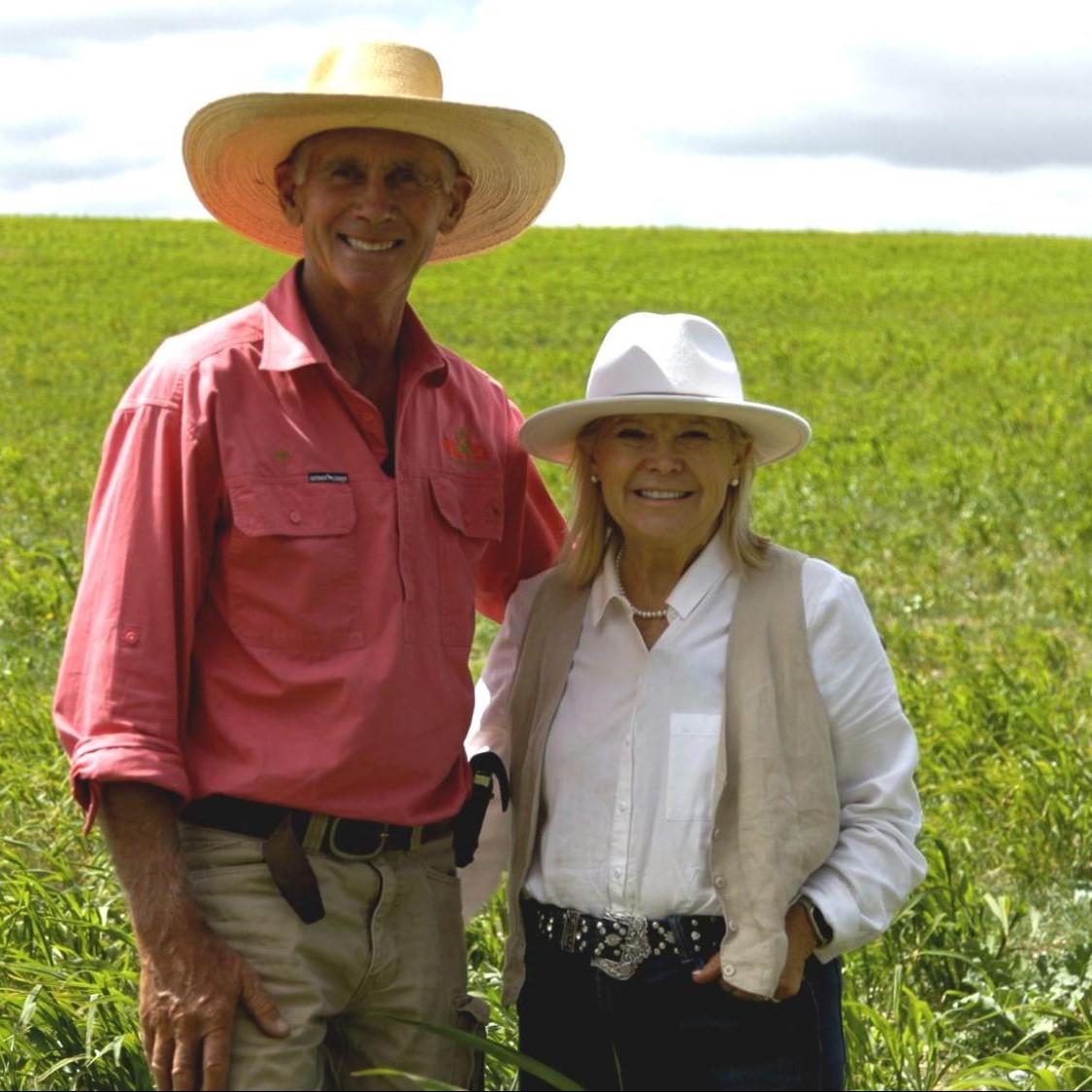
Rhonda and Bill Daly run a mixed cropping and livestock enterprise at Milgadara, near Young on the South West Slopes of New South Wales. Their farm integrates sheep and cattle with a diverse rotation of cereal, legume and oilseed crops. In parallel, they also founded YLAD Living Soils, a business supplying humus compost and biological inputs to farmers across Australia and New Zealand.
Their shift to more ecological farming began in the early 2000s after Rhonda suffered a serious illness linked to long-term chemical exposure. Motivated to farm in a way that supported both personal and environmental health, they began trialling biological inputs, biodynamic preparations and compost teas, eventually phasing out synthetic fertilisers, fungicides and insecticides.
The Dalys have since built a highly resilient and productive system grounded in soil biology. Through practices like multispecies rotations, strategic grazing and humus-rich compost, they’ve improved soil structure, boosted organic matter and enhanced plant health, reducing pest and disease pressure without the need for synthetic inputs.
Location: Wiradjuri Country, Young, NSW
Regional Climate: Hot dry summer, cold winter/Temperate
Average Annual Rainfall: 650 mm
Property Size: 1,182 ha
Elevation: 386 m
Social Structure: Family farm
Enterprise Type: Cereal, canola and legume crops, multispecies pastures and cover crops, prime lamb production, cattle and humus compost production
Pest and Disease Resilience Strategies: Compost applications, multispecies cover crops, eliminating insecticides and fungicides and revegetation efforts
Soils: Moderately deep stony soils (Rudosols), deeper uniform earths and sands (Kandosols) and texture-contrast non-sodic (Chromosols) and sodic (Sodosols) soils.
What are the benefits?
Building plant resilience to pests and disease yields many benefits including reducing the need for pesticides, healthier plants and soils and greater climate resilience, among others.
Reduced need for fungicides and insecticides: One of the biggest benefits of building natural pest and disease suppression into your system is the reduced need for pesticides. This cuts input costs and lessens harm to beneficial organisms like predatory insects and pollinators. Overuse of fungicides and insecticides can disrupt soil biology, harm non-target species and accelerate pest and disease resistance.1M Swaine et al., ‘Impact of Pesticides on Soil Health: Identification of Key Soil Microbial Indicators for Ecotoxicological Assessment Strategies through Meta‑Analysis’, FEMS Microbiology Ecology, 2025, 101( 6), https://doi.org/10.1093/femsec/fiaf052 Reducing the need for pesticides can also lower long term costs and reduce vulnerability to price fluctuations and supply risks.
Better grain quality and nutrition: Some farmers have observed that building plant resilience through improved nutrition and soil biology can lead to better grain fill and higher protein. If a plant has the nutrition and biology it needs to stay healthy and defend itself rather than constantly recovering from stress, it can put more energy into producing good quality grain. Diverse and active soil life also helps make nutrients more available when the crop needs them most.2SF Bender and MGA van der Heijden, ‘Soil biota enhance agricultural sustainability by improving crop yield, nutrient uptake and reducing nitrogen leaching losses’, Journal of Applied Ecology, 2014, 51 (6), https://doi.org/10.1111/1365-2664.12351.
Greater climate resilience: Building plant resilience to pests and disease often involves increasing diversity. Practices like diverse rotations, maintaining groundcover and biologically alive soils improve water retention and buffer crops from drought, extreme rainfall and heat.3T Döring et al., ‘Resilience of organic farming systems: concepts, opportunities and challenges’, Sustainability, 2015, 7(8), 9560–9572. In some cases, farmers have observed greater resilience to frost due to better plant condition and microclimate buffering.
Support for beneficial insects and natural enemies: Reducing fungicides and insecticide use and increasing habitat diversity can support beneficial insect communities for natural pest control. Beneficial insects such as ladybirds, lacewings, parasitoid wasps, and spiders thrive in systems with flowering plants and reduced disturbance, contributing to long-term pest regulation.4F J J A Bianchi, C J H Booij, T Tscharntke, ‘Sustainable pest regulation in agricultural landscapes’, Proceedings of the Royal Society B, 2006, 273 (1595), 1715–1727.
Healthier soils and co-benefits: Practices that build pest and disease resilience often improve soil structure, microbial diversity and nutrient cycling. Healthy soils retain more moisture, support stronger root systems and promote beneficial microbial interactions that suppress pathogens.5R M Lehman et al., ‘Soil microbial communities: influence on soil and plant health’, Applied Microbiology and Biotechnology, 2015, 100(2), 979–985.
Improved marketability and credentials: Crops grown with fewer chemical inputs and under regenerative or biologically based systems may be more appealing to consumers and processors seeking cleaner, more sustainable food. While these markets are still emerging in Australia, it’s worth keeping an eye out for marketing advantages or price premiums in certain supply chains.
Since working to build plant resilience to pests and disease, Brad and Caitlin Campbell have seen noticeable improvements in nutrient cycling, particularly nitrogen, which has helped them reduce nitrogen applications. Brad believes this improvement is mostly due to the strip/disc system and the extra crop residue, however other tools like herbicide selection, lack of fungicides and better nutrition management are critical to make the strip/disc system work. Investing in nutrition rather than fungicides has felt like a more positive and rewarding approach for their business.
The Campbells’ efforts to build pest and disease resilience have gone hand-in-hand with improving soil health. While it’s hard to say which came first, the results are clear: they’ve significantly improved soil structure and nutrient availability, creating a more resilient and productive system overall.
Similarly, Myles and Julie Ballentine are happy to be building a more robust and resilient farm system by focusing on enhancing their crops’ resilience to pests and disease. The main benefit for them is knowing that, through their multiple strategies, they’re also improving their mineral and water cycle. They also get a kick out of knowing they can get bigger returns with less inputs.
For Rhonda and Bill Daly, one of the biggest shifts has been stepping away from routine chemical sprays. As Bill puts it, ‘I think 99.9% of farmers don’t like doing their sprays, they just feel that they have to.’ By focusing on soil amendments and foliar nutrition, they’ve cut synthetic inputs by more than half. The payoff has been a healthier crop environment where beneficial insects and natural predators thrive, helping manage pests while also boosting the plants’ ability to cope with stress events like frost.
How to build plant resilience to pests and disease
Building resilience to pests and disease isn’t about relying on a single solution; it’s about putting in place multiple, complementary practices that support plant health, reduce risk and minimise the need for reactive spraying.
Many grain growers are using a mix of strategies that together create a more stable and self-regulating system. These include practices that improve soil health, nutrition, biodiversity and canopy structure, as well as improving monitoring to support better decision-making.
Guiding frameworks – IPM and ESR
Two helpful frameworks that can guide the shift to building plant resilience to pests and disease are Integrated Pest Management (IPM) and the Efficiency–Substitution–Redesign (ESR) model.
IPM encourages the use of biological, cultural, physical and chemical tools in combination, aiming to minimise risks to people, the environment and farm profitability. There are many resources online that you can tap into for more information, including Cesar Australia, GRDC and Farm Biosecurity.
The ESR framework, developed by biological and agricultural scientists,6SB Hill and RJ MacRae, ‘Conceptual frameworks for the transition from conventional to sustainable agriculture’, Journal of Sustainable Agriculture, 1995, 7(1), 81–87. describes a pathway for change or transition:
- Efficiency: Improving the efficiency of current practices and inputs such as more targeted pesticides
- Substitution: Swapping current inputs or pesticides for ‘softer’ or more biological options
- Redesign: Redesigning the farming system to work in sync with ecological processes to ensure plant health and resilience to pest and disease.
Myles and Julie Ballentine’s strategy to build plant resilience to pests and disease starts from the soil up. They strive for a strong soil foundation where the mineral and water cycle is functioning. They also take a long term view, beyond one paddock, one pest or disease and one growing season.
The Campbells’ approach has been centred around improving nutrient cycling and availability. Brad believes focusing on soil cation balance and water infiltration for a solid foundation is important before investing in more targeted nutrition. The Campbells are also big on trials and starting small. Brad explains, ‘It’s easy to get tunnel vision when you get excited. Don’t extend the whole program until you’re comfortable, otherwise mistakes can and will happen!’ He adds, ‘’You don’t have to do it over your whole farm, that’s for sure.’
The Dalys take a systems approach to building resilience. ‘One thing in a drum is not gonna fix the problem,’ Bill says. They also see that starting with the soil is critical: ‘The primary goal was to build our soil health and our ecosystem health. And then out of that, because of the improved plant health, we’ve been able to reduce the amount of insecticides and pesticides.’
Strategies for building general resilience
Strategies often considered for building plant resilience to pests and disease include the following:
1. Identify what’s limiting plant health
‘You need to earn the right’ to reduce insecticides and fungicides, according to Brad Campbell, meaning you need to build a strong foundation in plant health before making any big changes. When a plant or crop has adequate nutrition, they are less vulnerable to and better able to withstand or defend against pressure from pests and disease. 7R Tripathi et al., ‘Plant mineral nutrition and disease resistance: A significant linkage for sustainable crop protection’, Frontiers in Plant Science, 2022, https://doi.org/10.3389/fpls.2022.883970.
Monitoring plant health
There are many ways to assess plant health and the nutrient status of your crop. For example:
- Tissue testing, carried out by a lab, measures the total concentration of nutrients that have accumulated in a plant’s leaf tissue over time, providing a snapshot of overall nutrient status.
- Sap testing, also carried out by a lab, analyses the sap from freshly collected leaves to assess the nutrients currently circulating and available for immediate use, offering a more real-time view of plant health. It can be helpful for making timely fertiliser decisions during the growing season.
- Brix, measured using a hand-held refractometer, reflects the concentration of sugars and other dissolved solids in plant sap and is often used as a broad indicator of photosynthetic activity and plant function. In practice, some advisers suggest that grain crops with Brix readings above around 12 may be associated with better plant function. Lower readings can indicate stress or limitations in nutrition or biological activity, though interpretation varies and context is important.
- Sap pH, measured by a lab or with a handheld meter, reflects the acidity or alkalinity of the plant sap, signaling nutrient imbalances or stress. Some farmers use practitioner frameworks attributed to Bruce Tainio to interpret plant sap pH as a prompt to investigate plant nutritional balance more closely.8N Kinsey and C Walters Jr., Hands-On Agronomy, Acres U.S.A., 2005.In this framework, sap pH above around 6.4 is associated with increased vulnerability to insect pressure and potential imbalances in nitrogen, phosphorus and sulfur, while sap pH below around 6.4 is associated with increased disease susceptibility and potential imbalances in calcium, magnesium, potassium and sodium.9J Kempf, ‘Sap pH as a susceptibility indicator’, John Kempf (website), 2019, https://johnkempf.com/sap-ph-as-a-susceptibility-indicator/. However, nutrient-pH-disease interactions are highly complex and cannot be generalised across all plant species. More research is needed to establish precise relationships between specific pH levels and plant vulnerability.
Essential and beneficial plant nutrients
When we look at plant nutrition and building resilience, we need to look at the 17 essential nutrients for plant growth. 10RL Mahler, ‘General Overview of Nutrition for Field and Container Crops.’ 2004 A lack of any one of them can increase vulnerability to pests and disease. These nutrients include:
- Macronutrients: Nitrogen (N), Phosphorus (P), Potassium (K), Calcium (Ca), Magnesium (Mg), Sulfur (S), Carbon (C), Hydrogen (H), Oxygen (O)
- Micronutrients: Iron (Fe), Manganese (Mn), Zinc (Zn), Copper (Cu), Boron (B), Molybdenum (Mo), Chlorine (Cl), Nickel (Ni).
In addition to these essential nutrients, many plants also benefit from adequate silicon (Si), cobalt (Co), selenium (Se) and sodium (Na).11M Nunes da Silva et al., ‘Non-Essential Elements and Their Role in Sustainable Agriculture’, Agronomy 2022, 12 (888), https://doi.org/10.3390/agronomy12040888. Each of the 17+ nutrients plays a different role. For example, some nutrients contribute to cell wall strength and others contribute to detoxification and metabolism. The following table outlines several nutrients and their role in building plant health and resilience.
Trace elements such as zinc, copper, manganese and silicon play key roles in supporting the enzymes involved in producing defence compounds, like phenolics, flavonoids, terpenes and tannins. These are part of a plant’s secondary metabolism, helping deter pests and suppress pathogens, and the plant’s ability to make them is influenced by nutrition and growing conditions.12H Marschner, Marschner’s mineral nutrition of higher plants, 3rd edn (Academic Press, 2012)
Address nutrient deficiencies
Nutrients can be delivered in several ways: as seed treatments, liquid inject at sowing, granular fertilisers or foliar sprays. Foliar applications are becoming an increasingly popular way to fine tune nutrition during the season, especially when weather or soil conditions limit uptake from the root zone. They can be used to correct micronutrient deficiencies, support key crop stages or supply nutrients in small but targeted amounts.

Check out our practice guide on foliar applications for more information on how to address micronutrient deficiencies through foliars.
| Nutrient | Role in pest and disease resilience | Notes/Considerations |
|---|---|---|
| Cell wall strength and physical barriers: | ||
| Calcium (Ca) | Maintains cell wall structure and metabolic processes in plant defences. | Important during fruit/grain fill; often deficient in acidic or high-rainfall soils; adequate B is needed to support calcium transport to growing tissues. |
| Boron (B) | Important for cell wall structure and integrity; supports lignification and wound healing. | Narrow margin between deficiency and toxicity; apply with care, especially in dry soils where availability drops and risk of toxicity rises after rain. |
| Silicon (Si) | Physically strengthens cell walls; boosts plant's defence signalling and antioxidant enzymes. | Not considered essential but strongly beneficial; especially effective in cereals. |
| Immune signalling and pathogen response: | ||
| Zinc (Zn) | Strengthens cell walls, involved in auxin production and enzyme activity; linked to fungal and bacterial resistance. | Deficiency common in alkaline and calcareous soils; chelated forms often more effective. |
| Copper (Cu) | Strengthens cell walls via lignin formation; acts like a natural fungicide; supports defence enzymes. | Deficiency can increase susceptibility to fungal pathogens like rusts; use with care, excessive Cu can harm beneficial microbes and build up in soils over time. |
| Manganese (Mn) | Important in lignin biosynthesis and enzymatic defence responses; linked to reduced root and foliar disease. | Deficiency more likely in high pH soils; excess can interfere with uptake of Fe, Mg and Ca. |
| Molybdenum (Mo) | Essential for nitrogen fixation and conversion of nitrate to amino acids; supports protein synthesis and healthy growth. | Deficiency can impair nitrogen use and lead to stunted, stress-prone plants; important for legumes and brassicas. |
| Iron (Fe) | Supports plant stress response and some pathogen defence pathways. | Availability drops sharply at high pH; excess in acidic or waterlogged soils can limit uptake of P, Mn and Zn. |
| Chloride (Cl) | Involved in disease resistance and osmotic regulation. | Required in small amounts; excess (e.g. in irrigation water) can cause toxicity. |
| Selenium (Se) (optional) | Enhances antioxidant activity and may reduce fungal pressure. | Not essential but may be beneficial in small doses; excess is toxic. |
| Detoxification, metabolism and microbial interactions: | ||
| Magnesium (Mg) | Key in chlorophyll formation and energy transport; stress tolerance; supports beneficial microbial activity. | Excess potassium or calcium can antagonise uptake. |
| Sulphur (S) | Key nutrient involved in formation of many plant defence-related compounds. | Often overlooked; important for legumes and brassicas; deficiency can reduce protein content, N use efficiency, and immune responses. |
| Nickel (Ni) | Supports nitrogen metabolism, especially urea breakdown. | Deficiency may impair N use; important for legumes and crops using urea. |
| Cobalt (Co) | Essential for N fixation in legumes (via rhizobia). | Especially important in acid and sandy soils; often deficient in low organic matter soils. |
| Sodium (Na) | Helps maintain osmotic balance and cell turgor in some crops. | Can support stress resilience in cereals; excess causes toxicity and degrades soil structure. |
| General growth and balance (too much or too little can affect susceptibility): | ||
| Nitrogen (N) | Essential for growth but excess promotes soft, pest-prone tissue and reduces defence compound production. | Balance is key, use split applications and monitor crop needs, ensure adequate Mo for N use efficiency. |
| Phosphorus (P) | Supports root development, energy transfer and early vigour, which can reduce early-season disease risks and improve nutrient uptake; also involved in systemic acquired resistance (SAR) signalling pathways. | Often immobile in soil; placement, timing and pH matter; soil biology plays a key role, mycorrhizal fungi and phosphate-solubilising microbes help unlock bound P and improve uptake efficiency. |
| Potassium (K) | Regulates water use, stomatal function and enzyme activation; improves tolerance to insect pressure and some diseases. | Excess can antagonise uptake of Mg, Ca and sometimes B; deficiency can lead to thin, leaky cell walls, which pathogens and sap-sucking insects exploit. |
The Ballentines carry out seasonal tissue testing to monitor plant health. They also use a Brix meter to ensure their plants are photosynthesising well. This informs their foliar program of nutrients (biofertiliser brewed on farm) and biostimulants (kelp). Specific minerals will vary, but they often focus on calcium and try to ‘lift the silica of the plant, so the cell structures are harder for the pest to chew on.’
When faced with the threat of fall armyworm (Spodoptera frugiperda) in their sorghum crop, the Ballentines ‘chose to go down the biological and nutritional route’. Instead of spraying an insecticide, they put out two foliar applications of their biofertiliser and observed that the fall armyworm didn’t touch the forming seed head of the sorghum. They also observed some natural predation of the fall armyworm from what they think were predatory shield bugs (Oechalia schellenbergii). Myles’ theory is that they were able to support more beneficial insects by not spraying insecticide, and were able to lift the health and Brix of their crop which made it less susceptible to the pest potentially through stronger cell walls, more capability to produce defensive compounds (e.g. phenolics) and better overall vigor.
The Campbells are committed to targeted plant nutrition as a way to build resilience to pests and disease. They don’t use fungicides or insecticides on their cereal seed. Instead, they support plant health with their own seed treatment made from biostimulants (kelp and fish) and trace minerals such as manganese, selenium, cobalt and silica. Their seed treatments are guided by performance and sap test results from the previous year or by the financial limitations of those that are costly to apply at higher rates, such as cobalt.
At sowing, they apply what Brad calls a ‘swag of amino acid chelates’ down the chute along with Urea Ammonium Nitrate, silica, zinc and manganese to address known deficiencies. Because the high soil pH at Scaddan limits manganese availability, it’s always included. Other nutrients are selected for their role in early seedling development, such as zinc.
Many of their nutrition decisions are based on learnings from the previous season. For example, sap tests in 2023 consistently showed low copper levels, even though it had been included in multiple foliar sprays. In 2024, they started earlier by adding copper sulphate with pre-emergent herbicides and increasing rates at tillering. As a result, copper levels stayed high in the sap tests, reducing the need for later corrections and improving plant Brix.
In terms of monitoring, Brad and Caitlin begin the season with a tissue test during the early vegetative stage to design their base liquid nutrition program. They then follow up with sap testing once the crop is tillering. Their foliar program typically focuses on copper, manganese, silica and molybdenum, based on identified deficiencies and seasonal trends.
They’ve observed that disease pressure tends to rise at grainfill, when the plant reduces root exudate production and starts drawing on its reserves as the soil profile dries. At this stage, they focus on maintaining adequate copper and silica through foliar applications to strengthen cell walls, support protein synthesis and prevent lodging. Their crops have become noticeably more resilient to disease as a result.
One success story came after a late season outbreak of powdery mildew. Instead of reaching for fungicide, they sap tested both the stem and flag leaf and found a sharp drop in potassium and boron since their last foliar feed three weeks earlier. Brad applied potassium silicate, boron and biostimulants, and the crop pulled through well with good yields.
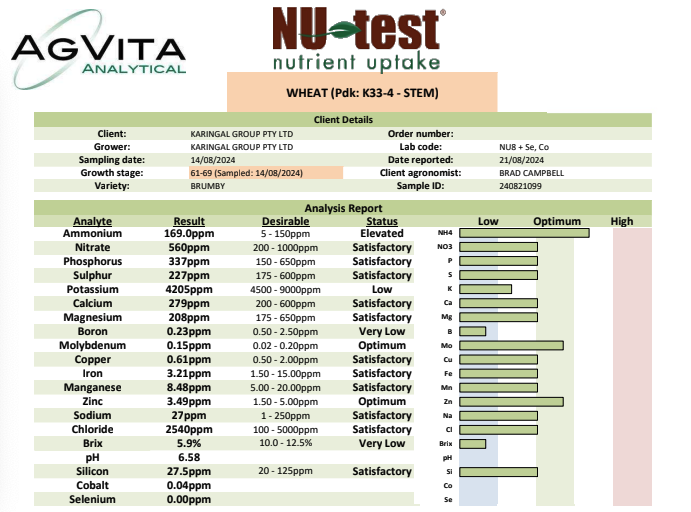
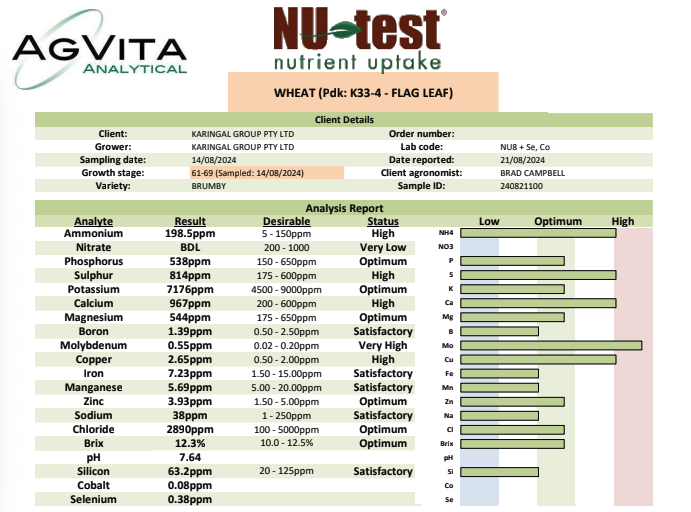
Image 4. Brad Campbell’s sap test comparison from 2024. According to Brad, ‘The crop had been very healthy, but was suddenly hit hard with powdery mildew. The sap test results from the flag leaf was pretty good, but the stem results showed that boron had dropped out severely, reducing sap pressure and dragging down all the other key elements needed for cell strength and ability to withstand biotic and abiotic stress. From memory we followed up with boron, copper, silica and kelp.’
Improve nitrogen use efficiency
Nitrogen is essential for crop growth, but too much, especially in synthetic form, can make plants more vulnerable to pests and disease.14J Angus and P Grace, ‘Nitrogen balance and efficiency in Australian cropping systems’, Soil Research, 2017, 55(6), 435–450. When there is more nitrogen than the plant can use, it often ends up as free nitrates or ammonium in the plant sap, which attract some pests, such as aphids.15MA Aqueel and SR Leather, ‘Effect of nitrogen fertilizer on the growth and survival of Rhopalosiphum padi (L.) and Sitobion avenae (F.) (Homoptera: Aphididae) on different wheat cultivars, Crop Protection, 2011, 30(2), 216–221. doi:10.1016/j.cropro.2010.09.013. High nitrogen fertiliser use can also promote lush, dense leaf growth, creating a more humid microclimate within the canopy, which favours fungal pathogens like powdery mildew and stripe rust.16 Luo et al., ‘Effects of Nitrogen and Intercropping on the Occurrence of Wheat Powdery Mildew and Stripe Rust and the Relationship With Crop Yield’, Frontiers in Plant Science, 2021, 12: 637393, https://doi.org/10.3389/fpls.2021.637393. The aim is to make sure the nitrogen applied is actually being converted into complete proteins. To do that, a crop needs a suite of supporting nutrients, especially sulphur, magnesium, molybdenum, boron and cobalt.17MJ Bell and PW Moody, Soil and Plant Nutrition Management for Grain Crops, (Grains Research and Development Corporation, 2021). Including legumes in your rotation can also help supply nitrogen in a slower, more biologically available form. Sap tests or tissue tests can help check what’s really going on in the plant, and apply only what is needed.
Check out our practice guide on nitrogen use efficiency for more information.
The Ballentines focus on crop rotation to prevent the need for excessive nitrogen fertilisers and optimise nitrogen use efficiency, aiming to follow a legume phase with a cereal crop to leverage the nitrogen fixed by the legumes. Whenever possible, they also plant legume-heavy multispecies cover crops. They terminate these cover crops while still green, before senescence, with a herbicide or sometimes by roller crimping, to retain a relatively high proportion of nitrogen in the plant tissue. The key is to terminate at a stage when the Carbon:Nitrogen ratio is favourable for decomposition (and nitrogen release) so that the following cereal crop can benefit, while avoiding the delay or immobilisation of nitrogen that can occur when residues become very woody or high in carbon.
The Campbells are committed to improving their nitrogen use efficiency and making sure their crop has the right nutritional balance. They believe this approach has helped them to manage aphids in their canola. By avoiding excess nitrogen and optimising key nutrients like boron, molybdenum, sulphur and manganese, they feel like they’ve created conditions where aphids might still be present but are not causing economic damage.
Their careful nitrogen management is also showing benefits for soil function and nutrient cycling. Brad shares, ‘Our local rep was pretty surprised by the nitrogen levels in our soil after a dry summer. We had two to three times more nitrogen at seeding than most others in the district. It feels like we’re starting to get some good cycling happening in the system.’
The Dalys are careful with their nitrogen use. ‘We don’t put on big rates of nitrogen,’ Bill explains. ‘We do foliars, small lots, more often. Our whole nitrogen application for cropping is under 30 kg per hectare. High nitrogen makes a plant watery, which weakens cell structure and makes it more prone to problems, especially frost.’ Rhonda and Bill focus on nutrients beyond nitrogen, particularly maintaining high calcium levels, which they believe strengthens plant resilience and helps prevent many pest and disease issues.
Avoid plant stress
While easier said than done, providing a low stress environment for your crop is going to improve plant resilience. Soil compaction, low soil fertility, drought, flood or temperature extremes can significantly increase vulnerability to pests and disease.18P Pandey, V Irulappan, MV Bagavathiannan and M Senthil-Kumar, ‘Impact of combined abiotic and biotic stresses on plant growth and avenues for crop improvement by exploiting physio-morphological traits’, Frontiers in Plant Science, vol. 8, 2017, article 537, pp. 1–14, https://doi.org/10.3389/fpls.2017.00537. Stressed plants can show disrupted hormone signalling, lower energy reserves and reduced immune responses,19D Nguyen, I Rieu, C Mariani and NM van Dam, ‘How plants handle multiple stresses: hormonal interactions underlying responses to abiotic stress and insect herbivory’, Plant Molecular Biology, vol. 91, no. 6, 2016, pp. 727–740, doi:10.1007/s11103-016-0481-8. making them more attractive to insects and more susceptible to infection. Practices that reduce stress include timely sowing, good seed-soil contact, balanced soil fertility and avoiding overuse of synthetic nitrogen.20Tripathi et al., ‘Plant mineral nutrition and disease resistance’.
Stress can also be reduced by improving soil structure and biology, which helps maintain steady water and nutrient availability.
2. Monitoring and careful intervention
Building plant resilience to pests and disease is a long-term process. Careful monitoring can help decide when and how to intervene in ways that minimise negative impacts on soil health and crop resilience. The goals are to act only when necessary, and to choose methods that reduce pesticide use and protect the biological systems you’re working to strengthen.
Establish good monitoring systems
Monitoring is one of the most powerful tools to allow farmers to move from reactive management of pests and disease to more strategic management. Regular crop inspections using tools like beat sheets, sticky traps, visual scouting and weather-based disease forecasts allow farmers to detect early signs of pest or pathogen pressure and assess thresholds before taking action. Simple photo diaries or pest monitoring sheets can help track pressure over time, spot patterns and support decisions.
Effective monitoring also means understanding pest life cycles, beneficial insect activity and how environmental conditions (like humidity, rainfall or canopy density) influence disease development. This supports timely, targeted responses, often starting with biological or cultural options, and reduces unnecessary chemical use that can disrupt ecological function and lead to resistance. In resilient systems, monitoring is not just a check-up, but an adaptive learning process that builds understanding of pest dynamics over time.
For help with identification and understanding the life cycle of potential pests, Cesar Australia’s PestNotes resource has technical sheets for over 50 agricultural invertebrate pests.
Forecasting tools and thresholds
- PestFacts (Cesar Australia) – Regional pest updates, outlooks and identification resources.
- Seasonal Pest Outlooks – GRDC and state departments (NSW DPI, Qld DAF, WA DPIRD, Vic Ag) publish seasonal forecasts based on weather and insect development models.
While forecasting tools and thresholds are helpful, they’re often based on high input, monoculture systems and may not fully account for the dynamics of diverse or biologically active systems. If you have been fostering ecological diversity and have observed increases in insect biodiversity and populations of beneficial species, pest populations may respond differently as a result of improved ecosystem stability and resilience. Use these tools as guides alongside your own observations and local knowledge, not as fixed rules.
The Ballentines see regular monitoring as essential to good agronomy, and use tools like beat sheets and pest thresholds, including threshold calculators provided by GRDC, to guide decisions.21The Beatsheet, ‘Economic threshold calculators’, 2023, accessed 11 February 2026, https://thebeatsheet.com.au/economic-threshold-calculators/ Myles is especially alert to heliothis (Helicoverpa spp) and fungal diseases during certain weather patterns. For example, dense crops with high biomass have limited airflow, which, during extended wet periods, can create ideal conditions for fungal disease; wet, misty conditions raise red flags for ascochyta and botrytis (grey mould) blight.
In wheat, he has occasionally observed heliothis, which is unusual for that crop, but has also noticed that naturally occurring pathogens can help keep populations in check. In general, if pest or disease pressure builds, the Ballentines’ first step is to consider biological options, such as applying beneficial microbes like Bacillus spp. or Lactobacillus spp., often with nutrients to support plant health. However, they acknowledge that younger plants can sustain more insect or disease pressure without significant impact. ‘We start with biology,’ Myles says, ‘but if a high-value crop like chickpeas is nearing harvest and disease risk is high, we’ll consider a synthetic fungicide, cautiously.’
Myles and Julie consider the size or lifestage of pests and crop growth stage when making decisions. For example, according to Myles, chickpeas in the early vegetative growth stage can withstand considerable chewing from heliothis (up to 60% of green material) without impacting yield. Once pods begin to form, the plant also produces an acid that deters or kills heliothis, so infestations often decline naturally. Myles notes that high moth counts don’t always translate to grub pressure in the crop, especially in hot, dry or windy conditions, reinforcing the value of close, context specific monitoring rather than automatic spraying.
The Campbells regularly monitor for pests and disease, as well as tracking plant health through tissue and sap testing. They have done away with preemptive, broad spectrum insecticides and fungicides, and won’t apply any products unless the threat has reached a particular threshold. For example, they haven’t yet been able to manage heliothis in legumes late in the season without a spray. Brad warns, ‘Don’t let it be a hill you die on – have all your tools ready to go in the shed, just in case.’
Rhonda and Bill Daly are happy to put up with a small amount of aphids in their canola because they can see that there’s a diversity of other insects and predators to balance them out. Rhonda comments, ‘If you spray the aphids, you’ve also sprayed all the spiders and any other predators that knock out the aphids.’
Intervene strategically
Spray selectivity and timing
What you spray, when you spray and how selective it is can make a big difference to reducing the negative impacts of pesticide use. Broad-spectrum insecticides and fungicides often knock out beneficial species like predators, parasitoids or microbes, making the system susceptible to future pest problems. Where possible, choose more selective options and avoid routine spraying.
Timing is just as important as product choice. Spraying at the wrong crop stage or under poor conditions can reduce efficacy and increase risk. Targeting vulnerable pest life stages (e.g. early instars) and following label rates and re-entry periods also helps slow resistance development. Generally, cooler temperatures and higher humidity improves spray performance, and it’s best practice to avoid the heat of the day – early morning is ideal.
Targeted chemistry to minimise collateral damage
If pest or disease levels exceed economic thresholds, where the expected crop loss outweighs the financial and ecological cost of spraying, you may want to consider an intervention. Choose products with novel modes of action, indicated by their IRAC (Insecticide Resistance Action Committee) or FRAC (Fungicide Resistance Action Committee) group numbers on the label or safety data sheet, as these tend to be more targeted and less disruptive to beneficial insects and soil biology. In contrast, broad spectrum chemistries can wipe out natural enemies,22F Sánchez-Bayo, ‘Indirect effect of pesticides on insects and other arthropods’, Toxics, vol. 9, no. 8, 2021, article 177, doi:10.3390/toxics9080177 leading to pest resurgence and resistance over time.23JD Dutcher, ‘A review of resurgence and replacement causing pest outbreaks in IPM’, in Integrated management of plant pests and diseases, vol. 1, Springer, [year], pp. 27–43. Always review label guidance for mode of action (MoA), resistance group and environmental persistence. For example, IRAC recommends not using products from the same MoA group in succession without a break to prevent resistance.
Improve efficiency
Insecticides and fungicides can be made more effective and less damaging when used strategically. Buffering with fulvic acids, applying biostimulants or biological food sources, and following up with targeted nutrition can support plant defence responses and microbial recovery from the indirect impacts of pesticides. The timing of application, including the crop growth stage, pest life cycle and weather conditions, plays a key role in whether an input is effective or wasted. Following label directions and applying products at the right time also help reduce the risk of resistance. Together, these practices not only improve efficacy but may reduce long-term inputs and help preserve beneficial organisms.24DJ Ashworth et al., ‘Impact of biostimulants and adjuvants on pesticide efficacy and soil microbial activity’, Pest Management Science, vol. 74, no. 11, 2018, pp. 2540–2548, doi:10.1002/ps.5068
A Gupta et al., ‘Biostimulants for sustainable crop production: current status and future perspectives’, Plant and Soil, vol. 455, 2020, pp. 1–34.
RAC Jones et al., Managing fungicide and insecticide resistance in Australian grains, Grains Research and Development Corporation, 2022, accessed 12 February 2026, https://grdc.com.au/resources-and-publications/all-publications/publications/2022/managing-fungicide-and-insecticide-resistance-in-australian-grains
Reduce or eliminate pesticides
Broad spectrum insecticides, miticides and fungicides can disrupt natural predator-prey balances and trigger secondary pest outbreaks, undermining long-term system stability. Stepping away from calendar-based or preventative use of insecticides and fungicides and instead making decisions based on pest thresholds, monitoring data, crop stage and observed beneficial insect activity is important for long term resilience and economic viability.25S Macfadyen, DC Hardie, L Fagan, K Stefanova, KD Perry, HE DeGraaf, J Holloway, H Spafford and PA Umina, ‘Reducing insecticide use in broad-acres grains production: an Australian study’, PLoS ONE, vol. 9, no. 2, 2014, article e89119, doi:10.1371/journal.pone.0089119. Many farmers are finding that cutting out insecticides has had no impact on their yields. By prioritising plant health, using biological supports and intervening in a targeted way only when necessary, it is possible to maintain crop performance while reducing chemical inputs and improving overall system resilience.
Removal of pesticide seed treatments
Removing commercial insecticide and fungicide seed treatments, especially those containing neonicotinoids,26Neonicotinoids are a group of insecticides, including imidacloprid, clothianidin, thiamethoxam, thiacloprid, acetamiprid and dinotefuran. They are known to have harmful impacts on beneficial insects, especially pollinators like bees. Because of the systemic nature of neonicotinoids, even the pollen from plants grown in soils with neonicotinoid seed treatments can be detrimental. can be a practical and impactful first step towards building a more resilient cropping system. Insecticide treatments on wheat, for example, have been shown to not provide any yield benefit.27Macfadyen et al., ‘Reducing insecticide use in broad-acre grains production’. Neonicotinoids like clothianidin and imidacloprid are highly persistent in soil, with half-lives ranging from 90 days to over 1,000, and have been shown to disrupt beneficial soil microbes and invertebrates (earthworms in particular) essential for nutrient cycling and soil structure.28V Ramasubramanian, ‘Clothianidin in the tropical sugarcane ecosystem: soil persistence and environmental risk assessment under different organic manuring’, Bulletin of Environmental Contamination and Toxicology, vol. 107, no. 6, 2021, pp. 1084–1089, https://doi.org/10.1007/s00128-021-03169-9 Despite their widespread use, multiple field studies in broadacre cropping systems show that insecticidal seed treatments often provide little to no yield benefit, particularly in low pest-pressure conditions.29Macfadyen et al., ‘Reducing insecticide use in broad-acre grains production’. Substituting with biological seed treatments such as microbial inoculants or biostimulants, can enhance root development, nutrient uptake, and early plant vigour, laying the foundation for more resilient, self-reliant crops.30JR Lamichhane, DC Corrales and E Soltani, ‘Biological seed treatments promote crop establishment and yield: a global meta-analysis’, Agronomy for Sustainable Development, vol. 42, 2022, article 55, https://doi.org/10.1007/s13593-022-00761-z See our Biological Seed Treatment Practice Guide for more.
Myles and Julie Ballentine no longer use insecticides or fungicides on their cereals, but they may still apply one carefully timed insecticide spray on chickpeas or mung beans. Their aim is to apply the minimum amount that is still effective without causing wider impacts. They want to knock pest numbers back early, usually at the start of flowering, to give 3 to 4 weeks’ coverage during pod set, while trusting strong plant health and high brix levels to carry the crop through. Early in his farming career, Myles followed the standard advice to apply dimethoate insecticide at bud initiation ‘just in case’ mirids were present, but he observed that in doing so he also killed off the beneficial insects in the crop. Without natural predators, heliothis pressure exploded and the crop required repeated chemical applications. ‘That crop was the last time I ever did that,’ Myles reflects. ‘All it did was set the whole thing up to fail. There was nothing left at the end of the day.’
Brad and Caitlin Campbell’s experience is that fungicides are the easiest pesticide to reduce and eventually cut out if you can focus on nutrition and have capacity to apply foliars. They have also been focused on removing preemptive and broad spectrum insecticides. Brad explains, ’If we’re seeing a big infestation, we’ll be sap testing and tissue testing a fair bit anyway, but we’ll certainly look at the triggers for why we’ve been hit so hard.’ By focusing on plant health, they have managed to eliminate insecticide and fungicide use in their cereals and preemptive pesticides for legumes, but they have struggled to remove the heliothis spray for their legumes.
Rhonda and Bill Daly emphasise that farmers need to ‘earn the right not to use pesticides. You’ve got to change management and practices to make a healthier plant and a healthier soil functioning system.’ Rhonda and Bill’s primary goal wasn’t to reduce their insecticides and pesticides, it was their reward. Their goal was to build their soil and ecosystem health.
Consider biological treatments/alternatives
Beneficial insects
Supporting populations of beneficial insects such as ladybirds, lacewings, parasitoid wasps, and spiders can significantly contribute to natural pest control and long term pest management. By promoting habitat diversity through flowering strips, diverse vegetation and cover crops, beneficial insects thrive and help regulate pest populations. Farming systems with increased biodiversity and reduced pesticide use tend to experience better control of pest outbreaks.31FJJA Bianchi et al., ‘Sustainable pest regulation in agricultural landscapes’, Proceedings of the Royal Society B, vol. 273, 2006, pp. 1715–1727. Specifically, predators like ladybirds and parasitoid wasps play a critical role in managing aphid populations and early stage caterpillars without disrupting broader ecological balance.32MH Schmidt, A Lauer, T Purtauf, C Thies, M Schaefer and T Tscharntke, ‘Relative importance of predators and parasitoids for cereal aphid control’, Proceedings of the Royal Society B: Biological Sciences, vol. 270, no. 1527, 2003, pp. 1905–1909, https://doi.org/10.1098/rspb.2003.2469
EW Riddick, ‘Identification of conditions for successful aphid control by ladybirds in greenhouses’, Insects, vol. 8, no. 2, 2017, article 38, https://doi.org/10.3390/insects8020038
While the active release of beneficial insects is uncommon in broadacre cropping due to scale and cost, it has been used successfully in other industries, particularly where background insect diversity has been reduced, through the targeted release of eggs or live beneficial insects at key points in the crop cycle.
To learn more about beneficial insects, check out GRDC’s pocket guide and Cesar Australia’s Beneficial Insects resource. For canola growers, keep up to date with the CSIRO Canola Allies project.
You can also check out the Beneficials Chemical Toxicity Table, produced by Cesar Australia, which shows the impact of insecticides on beneficial insects in Australian grain crops.
Biological alternatives
There are some biological options which can offer a safer alternative to broad-spectrum fungicides and insecticides, especially when used proactively as part of an integrated approach. These include beneficial microbes (such as Trichoderma, Bacillus and Beauveria species), biostimulants and entomopathogenic viruses33Viruses that cause disease in insects. that are parasitic to insects. Rather than aiming to eliminate pests or pathogens, these inputs can enhance the plant’s natural defences, support beneficial microbial communities and help suppress pest populations. They are most effective when combined with good nutrition, soil health and monitoring, and are increasingly being adopted by Australian growers seeking to build system resilience and reduce chemical reliance.
Myles and Julie Ballentine source bare seed when they can and apply their own biological seed treatments. They ferment a biofertiliser on farm that includes minerals and beneficial microbes like Lactobacillus bacteria and Trichoderma fungi. They also apply their biofertilisers as a soil drench at planting to ensure the seedling has optimum nutrition from the outset.
While the Ballentines were able to keep fall armyworm (Spodoptera frugiperda) at bay by using nutrition and biology, they have experienced some pressure from heliothis in their sorghum. They spray out a product with an entomopathogenic virus that is a parasite to heliothis caterpillars, a biological control agent to manage outbreaks effectively.
Rhonda and Bill Daly mention Trichoderma spp. in a foliar as a helpful alternative to fungicides and insecticides. They also look for beneficial insects to know that their system is working. Bill says, ‘The paddock looked like it had snow across it, and it was actually spider webs. I think that shows you that the system is a healthy system.’
3. Choose the right crop for the system
There are many decisions to be made before sowing to set a crop up for success in terms of pest and disease resilience. Choosing more resilient plant varieties, ensuring a diverse crop rotation, planning ahead for canopy and microclimate considerations, managing stubble diversity and looking for opportunities for in crop diversity can all support a healthier and more resilient crop.
Select for resilient seeds and varieties
Choosing resilient varieties is a powerful strategy to reduce pest and disease pressure across a range of cropping systems. Selecting cultivars with known resistance or tolerance to regionally significant threats, such as rusts in wheat, blackleg in canola and root lesion nematodes in cereals and pulses, can substantially reduce the need for chemical inputs. Beyond resistance traits, choosing varieties suited to local soils, rainfall patterns and sowing windows helps minimise plant stress, which can reduce vulnerability to both pests and pathogens. Clean, high-quality seed and biological seed treatments help support strong emergence and early resilience.
It is worth noting, however, that some commercial seed lines are bred under high input conditions and may not perform as reliably in biologically managed or low input systems. Where possible, seek out seed suppliers or breeders who are selecting for resilience in diverse or regenerative systems. Saving your own seed is a great way to build in genetic resilience.
The Campbells have found that Septoria leaf blotch, a fungal disease, is less of an issue for them now that they’re growing more tolerant varieties of wheat, and the same for their barley variety and net blotch. Powdery mildew in their wheat is more challenging, but they’ve been happy with their Brumby wheat variety which has had no fungicide for the past two years.
The Dalys agree that variety selection is important, particularly if farmers are weaning their system off pesticide use. However, they warn farmers to question whether a plant has been bred to be more resilient or if it has been bred to be more effective in association with a particular suite of fungicides and insecticides. Rhonda and Bill save their own seed, which they believe to be more effective at developing long term resilience, rather than relying on external breeders and seed from different contexts and management systems.
Manage for an open canopy and microclimate
Managing the crop canopy plays a critical role in reducing disease risk and supporting plant resilience. Dense, humid canopies with poor airflow can create ideal conditions for fungal pathogens, especially in pulses like chickpeas and faba beans, where diseases such as ascochyta and botrytis (grey mould) blight thrive under extended leaf wetness. Adjusting row spacing, reducing excessive nitrogen that drives vegetative growth and using varieties with more open architecture can help improve airflow and reduce humidity within the canopy.
Australian research has shown that wide row spacing in chickpeas can significantly lower disease incidence without reducing yield in dry years.34S Pande, KHM Siddique et al., ‘Ascochyta blight of chickpea: biology, pathogenicity and disease management’, Australasian Plant Pathology, vol. 34, 2005, pp. 1–17.
KJ Moore et al., ‘Managing canopy structure and microclimate to reduce Ascochyta in chickpeas’, GRDC Update Papers, Grains Research and Development Corporation, 2016. These practices can be especially effective when combined with inter-row weed management and stubble handling to further influence microclimate. Managing canopy conditions is not about sacrificing vigour, but about balancing growth and structure to support healthy, resilient crops.
Refine your crop rotation and strive for crop diversity
Diversity and resilience go hand in hand. Increasing the diversity of crops grown, both across seasons and within paddocks, helps disrupt pest and disease cycles, suppress weeds and support beneficial soil biology. Strategic crop rotation reduces the carryover of host-specific pests and pathogens, while introducing a wider range of root structures and exudates improves nutrient cycling and soil function.
In-season diversity through intercropping or companion planting can reduce pest pressure by confusing insect pests, attracting beneficials and limiting disease spread within a canopy. Diverse rotations incorporating legumes and break crops can significantly reduce crown rot and root lesion nematodes in cereals.35Grains Research and Development Corporation, Integrated disease management in cereals, 2021.
JP Thompson et al., ‘Rotation crops for managing root-lesion nematodes (Pratylenchus thornei) in the northern grain region’, Australasian Plant Pathology, vol. 48, 2019, pp. 267–276. By diversifying both what is grown and when, farmers create more robust, biologically active systems that are less reliant on chemical inputs for pest and disease control.
Brad and Caitlin Campbell found that disease was worse when barley followed barley in their crop rotation. They started to phase out fungicides in 2017 with the help of smarter crop rotations, eliminating wheat on wheat or barley on barley.
They are currently trialling linseed and canola as companion plants with legumes to improve legume performance, suppress disease and assist with harvestability. Originally, they started companion planting canola with vetch or beans due to poor canola establishment caused by insect pressure from slaters and tight starts. Brad notes that care has to be made to manage maturity times and competitiveness. For example, low sunlight and a humid canopy influence from canola makes boytrytis (grey mould) blight difficult to manage in lentils.
Rhonda and Bill Daly understand that in order to break disease cycles, they can’t grow wheat on wheat. They also believe their summer multispecies crop, which they use as a grazing crop, has been an important tool to improve soil health function and broader farm and crop resilience. When possible they like to roller crimp their multispecies crops at the milky dough stage. At this stage, the plants have reached peak biomass and contain the highest concentration of nutrients in their stems and leaves, but the seed has not yet hardened. Crimping at this point locks those nutrients into the residue, which then breaks down gradually, feeding soil microbes and supporting nutrient cycling, soil structure and moisture retention.
Manage stubbles biologically
Stubble retention in no-till systems has been helpful in protecting soil, conserving moisture and supporting beneficial soil biology, but it can also create challenges by harbouring pests and disease between seasons. Stubble has been known to increase the risk of diseases like crown rot or pests like slaters and earwigs in certain conditions.
Rather than burning or removing stubble, which can harm soil health, farmers can encourage biological breakdown, supporting soil microbes and nutrient cycling while reducing stubble related disease risk. Practices like multispecies cover crops, grazing or applying microbial inoculants and stimulants (e.g. compost extracts) can speed up decomposition, reduce pest habitat and return nutrients to the soil, helping to manage risk while keeping the soil covered and cycling.
4. Build soil health
Healthy soils lead to healthier plants. Soils rich in biological life support nutrient cycling, suppress soil-borne pathogens and help plants mount effective defence responses. A diverse and active microbial community improves root-zone conditions and competes with pathogens for space and resources. Research has shown that beneficial microbes communicate through quorum sensing, a chemical signalling process that can trigger plant immune responses and coordinate protective microbial activity.36X Zheng, J Liu and X Wang, ‘Quorum signaling molecules: interactions between plants and associated pathogens’, International Journal of Molecular Sciences, 2025
But building soil health requires multiple long term strategies. Rome wasn’t built in a day!
Implement the principles of soil health
Following these 4 soil health principles can help build resilience in a farming system:
- Minimise or optimise disturbance
- Maintain groundcover
- Increase biodiversity
- Support year round living roots.
Adopting a reduced tillage approach, keeping crop residues or cover crops on the surface, planting a diversity of plants, holistically integrating livestock and ensuring there are living roots in the soil year round, can reduce erosion, improve water infiltration, boost nutrient cycling and strengthen soil biology. Stacking these practices can lead to healthier, more resilient crops and reduced reliance on inputs. Practices that build organic matter, reduce disturbance and feed soil biology, such as compost, cover crops and diverse rotations, can also help foster a protective microbial network.37VVS R Gupta et al., ‘Biological suppression of soilborne diseases in Australian grain farming systems’, Soil Research, vol. 58, no. 4, 2020, pp. 331–346.
SR Dangi et al., ‘Microbial communities influence root disease severity and crop productivity’, Applied Soil Ecology, vol. 120, 2017, pp. 111–120.
V Venturi and C Keel, ‘Signaling in the rhizosphere’, Trends in Plant Science, vol. 21, no. 3, 2016, pp. 187–198
Consider biological stimulants and inputs
Biological stimulants and inputs, like compost extracts, vermicast, microbial inoculants and biostimulants such as kelp or humic acids, can help boost soil life and improve nutrient cycling. By supporting a diverse and active soil microbiome, these products enhance root to soil interactions, making nutrients more available and helping plants build stronger natural defences. Over time, this biological support can improve plant resilience to pests and disease by promoting healthier growth and more robust immune responses.
Brad and Caitlin Campbell sought to reduce fungicides because they wanted to support the microbial breakdown of their stubbles to feed their soils. They had switched to a stripper disc system and understood that the excess residue could potentially harbour insects like slaters and earwigs if the biology wasn’t breaking down the stubbles.
Brad and Caitlin have also worked hard to improve their soil structure and address soil nutrient restraints, particularly high levels of sodium, by applying gypsum and lime. This was also complemented by their controlled traffic efforts. Brad believes calcium is important for facilitating soil biology, and that he may have seen more of an impact from applying biostimulants in the past if he had addressed his calcium levels earlier on.
Rhonda and Bill Daly ‘look for soil health first’, but know that there is no silver bullet to improving soil health. Instead they focus on a systems approach and building up a synergistic tool box of strategies. Some of their main tools include compost applications, soil drenches and foliar applications of biological fertilisers like liquid compost extract and incorporating beneficial microbes like Trichoderma spp. and Rhizobium spp. They track their soil health and evaluate the ‘tools’ in their toolbox through monitoring, including soil tests, measuring brix, leaf tissue tests and visual soil assessments like water infiltration and soil aggregate stability.
Myles and Julie Ballentines’ approach to building soil health has been about ensuring mineral balance first, then integrating biology in a way that supports both microbial activity and crop growth. They have observed benefits from applying specific microbial strains such as Trichoderma spp. and Bacillus spp., but believe the greater impact comes when minerals and biology are applied together. In their’ experience, biologically chelated minerals can drive both microbial function and plant performance more effectively than applying microbes alone.
Myles notes that introduced microbes may compete with plants for available nutrients. Earlier in his farming journey, Myles trialled a biological product on wheat and saw a slight yield reduction. Reflecting on that experience, he believes the missing piece was adequate mineral nutrition to support the applied microbes.
When addressing soil minerals, the Ballentines stress the importance of chelation, the process of binding a mineral ion to an organic molecule to ensure it stays soluble and more available for plant or microbial uptake. For example, applying boron in the seed trench without appropriate chelation in boron-deficient soils can disrupt germination.
5. Work with the whole farm ecosystem
Building plant resilience goes beyond what happens in the paddock – it means managing the whole farm as a functioning ecosystem. Greater biodiversity above and below ground helps break pest and disease cycles, supports beneficial insects and creates more stable, resilient conditions.
Planting insectary strips that flower at key times can provide food and shelter for predatory insects and pollinators when crops don’t. At a broader scale, collaborating with neighbours, such as timing flowering strips across multiple farms or protecting remnant vegetation, can amplify beneficial insect populations in your landscape and reduce regional pest pressure.
Integrating shelterbelts and native vegetation can offer overwintering habitat and corridors for natural enemies of pests. They can also reduce wind pressure, improve microclimates for crops and provide an alternate source of fodder for livestock.
Rhonda and Bill Daly believe they don’t see a lot of disease partly because they’ve improved the overall health and ecology of the farm. They planted 50,000 trees which plays a ‘massive role’. Rhonda says, ‘If you have 200 hectares with one tree in it, where do the bugs live? They need a home so they can go out and do their work.’
Finances
Building pest and disease resilience is an investment in reducing risk over time, one that can lower input costs, stabilise yields and reduce the financial shocks of seasonal outbreaks. While some practices may involve up-front costs (e.g. biological inputs, cover crop seed or new monitoring tools), others, such as reducing routine sprays or improving nutrient efficiency, often result in immediate savings. Practicing integrated pest management (IPM) often reduces pesticide costs without compromising yields,38GA Norton and JD Mumford, Decision tools for pest management, CABI, 1993. and regenerative approaches to cropping tend to lower input dependency. Intercropping in particular has been found to not only support pest and disease control, but also increase gross profitability.39RA Huss, AA Holmes and AP Blubaugh, ‘Benefits and risks of intercropping for crop resilience and pest management: a meta-analysis’, Journal of Economic Entomology, vol. 115, no. 5, 2022, pp. 1350–1362, https://doi.org/10.1093/jee/toac088
Assessing financial value means looking beyond a single season to consider the avoided costs of crop loss, pesticide resistance and degraded soil health. Many farmers also note that a resilient system gives them greater confidence and flexibility in a variable climate, a financial benefit in itself.
The Ballentines appreciate the financial control they now have with their approach to building plant resilience. ‘We as farmers have the wrong mindset thinking that we’re the only ones trying to make the money,’ Myles reflects. ‘It’s like everyone is trying to make money out of this. And so the margin is always gonna be tiny unless we work out a way of growing with low inputs and getting bigger returns.’
The Campbells share how fungicides were quite cheap when they started dropping them out of their system. However, their nutrition program is not without expense. Brad explains, ‘Anecdotally, now, other people in this area are spending a lot on fungicides, so we’re probably on par or in front as far as our nutritional products go.’ But Brad and Caitlin have been slowly improving the quality of the crops they produce. For example, focusing on micronutrients has allowed them to lift protein to get a better price. ‘I can’t see our costs coming down that much more. I’m just hoping that we can just start to see the extra yield and quality.’
The Dalys believe that investing in soil and plant nutrition early in the season pays off later. Their view is that by putting their dollars and effort up front, they reduce the need for costly interventions down the track. While they acknowledge that fungicides and pesticides are expensive, they also recognise that building soil and plant health isn’t always cheap either, but they see it as an investment in the health and resilience of their farm and community.
Indicators of success
As with all practice changes, it’s important to track and monitor whether your management decisions are moving you and your farm system towards your goals. In this case, monitor whether your plants are actually building greater resilience to pests and disease.
Plants and soil health indicators
- Fewer visible pest and disease symptoms such as less leaf damage, spotting or distortion.
- Healthier crop growth including stronger roots, deeper colour, more even canopy.
- Improved sap or tissue test results such as lower nitrate levels, better mineral balance, higher Brix.
- Improvement in soil health indicators over time such as improved aggregate stability, infiltration and pH.
Landscape health indicators
- Increased presence of predators and parasitoids (e.g. ladybirds, hoverflies, lacewings, wasps).
- Balance between pests and predators, for example, pests may be present but not dominating or at damaging levels.
Management and productivity indicators
- Fewer spray passes or lower total insecticide/fungicide use per hectare.
- Stable or improved yields despite lower inputs.
- Greater confidence in decision making.
- Increased system reliability such as crops holding on better in tough seasons.
Find more resources at our Monitoring Soils Health page.
For the Ballentines, success looks like a diversity of insects in the crop. When making decisions Myles explains, ‘I walk into a crop now and look at the predators first. If they’re there, I wait.’
For the Dalys, the indicators of success are both measurable and observable. They keep track of their progress through regular soil and plant testing, microbiometer readings and, more recently, soil microbial testing (Great Southern Biology’s metagenomic soil sustainability index, which measures the fungal-to-bacterial ratio, something they’ve seen reach an impressive 1.9:1). They also pay attention to the look, smell and feel of their soil, and the return of earthworms as signs of life coming back. Over time, Rhonda says farmers should expect to see their chemical bills go down, with a lower frequency of sprays, for example, by decreasing from three sprays a season to one. Their advice to other farmers is to treat it as a process: use inputs if you really need them, because no one can afford to lose a crop, but focus on whether you’re spiralling up or spiralling down.
Further learning
Building plant resilience to pests and disease is an ongoing learning process. The next step involves deepening understanding of the key pests and diseases within a given context, including life cycles, thresholds and natural enemies. Strengthening soil, plant and landscape health literacy, alongside observation and monitoring skills, is central to this journey. Learning with peers also plays an important role in translating theory into practice, comparing observations, trialling ideas safely and drawing on diverse perspectives and experiences. Field days and discussion groups can help progress learning and implementation.
Rhonda and Bill Daly believe supporting farmers to understand their soils and landscapes is important ‘so they can question what advice they’ve been given’ and make decisions that suit their context.
Resources and tips recommended by the farmers in this guide
- John Kempf resources and The Regenerative Agriculture Podcast
- For the Love of Soil by Nicole Masters
- Joel Williams lectures and resources
- A Soil Owner’s Manual by Jon Stika
- The Secrets of Fertile Soils: Humus as the Guardian of the Fundamentals of Natural Life by Erhard Hennig.
Explore our series of practice guides
Other resources from Soils for Life
Join a discussion group
Sign up to Soils for Life’s newsletter to hear about opportunities to join a discussion group with like minded farmers. Or follow our guide to start your own.
Soils for Life Podcast
Check out our podcast interview with Joel Williams on small steps for big change in cropping.
What did you think of this guide?
Thank you for reading the practice guide! We would love to know whether you found the guide useful. Please take a minute tell us more.
This project is jointly funded through the Australian Government’s Future Drought Fund and Soils for Life.

For more information
If you have any questions, get in touch at [email protected].