

Rehydrating landscapes through communities of practice
Working with land managers at a catchment scale to improve water cycling and manage climate risk
The ‘Communities of Practice Project (CoPP)’ is led by Mulloon Institute and involves working with land managers around Australia to strategically improve water cycling and manage climate risk.
The project is designed as a collaboration between the Institute and regional partners to foster the growth of local ‘communities of practice’ in five regions around Australia that will continue beyond the project period. Over two years, Mulloon Institute staff will lead a series of activities that build participants’ capacity to plan, design and undertake landscape rehydration projects using low-risk, nature-based solutions for drought resilience.
Find out more about the project here.
Project Partners
This project is led by Mulloon Institute in collaboration with regional partners. Mulloon Institute are leaders in landscape rehydration and restoration, working with farmers across Australia to create resilient, productive and profitable farms where agriculture and the environment are working in unison. Soils for Life’s role is the development of landscape rehydration case studies.


Stories of landscape rehydration
Case Study: Building drought resilience on a community and catchment scale
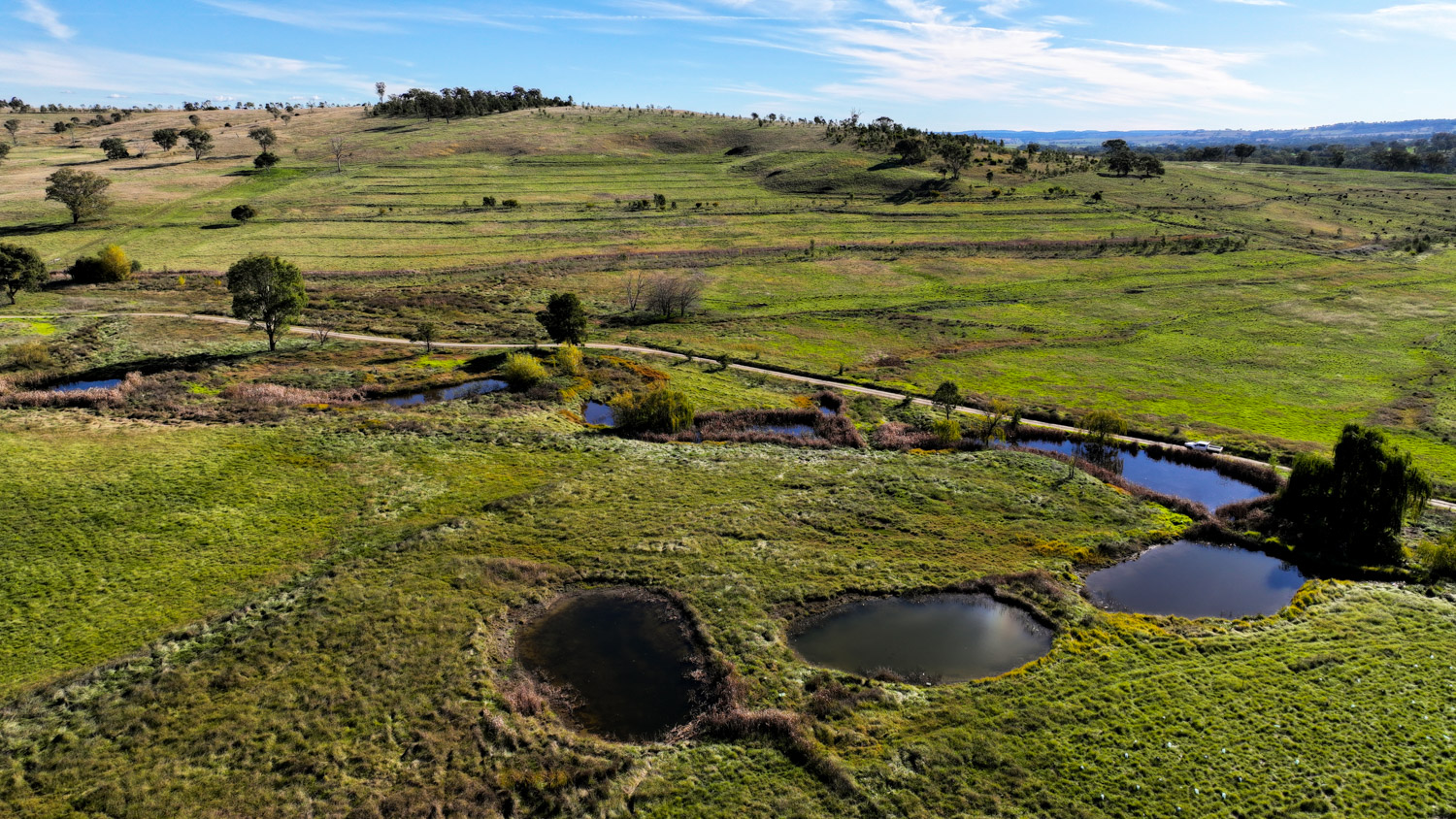
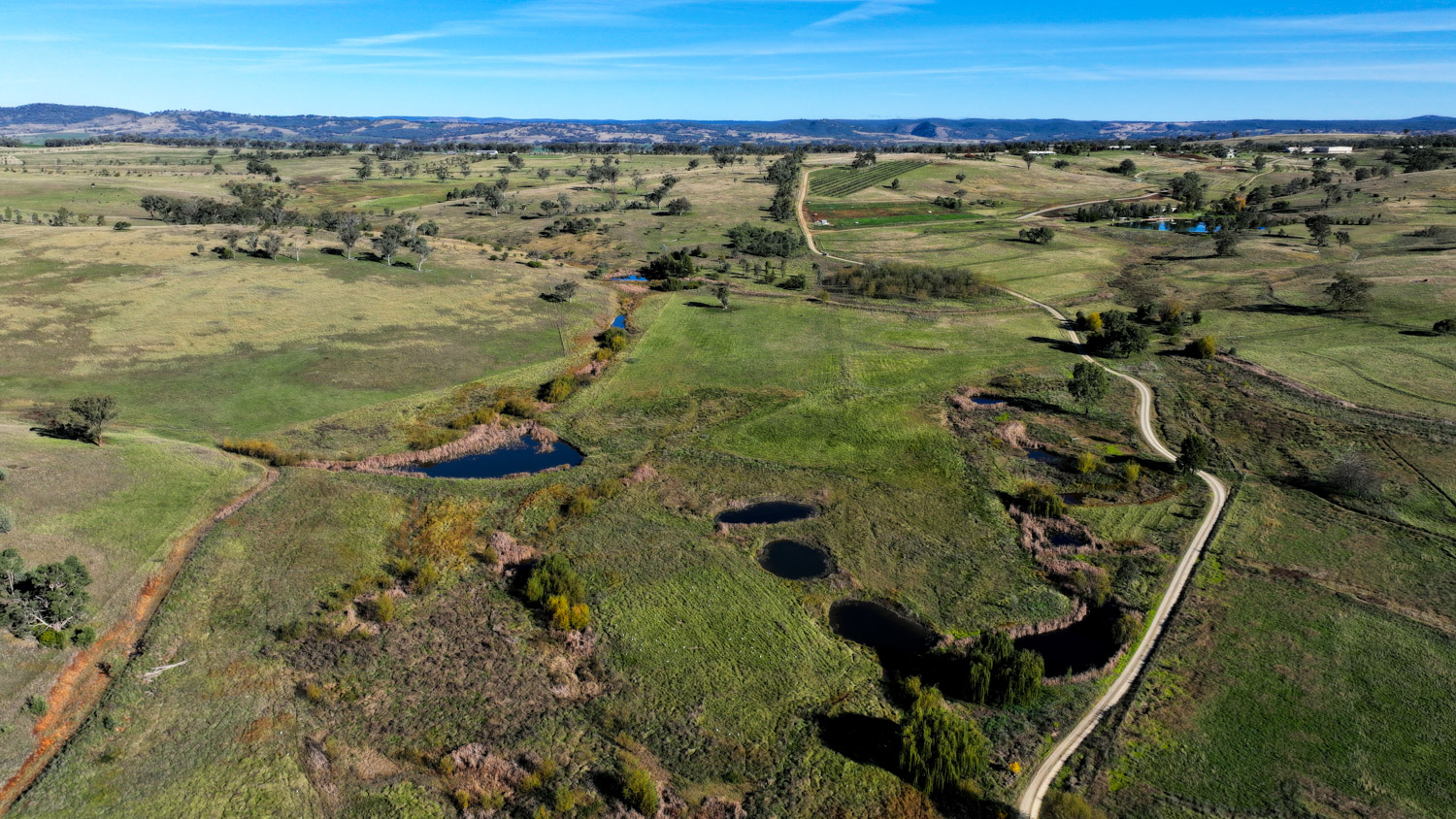
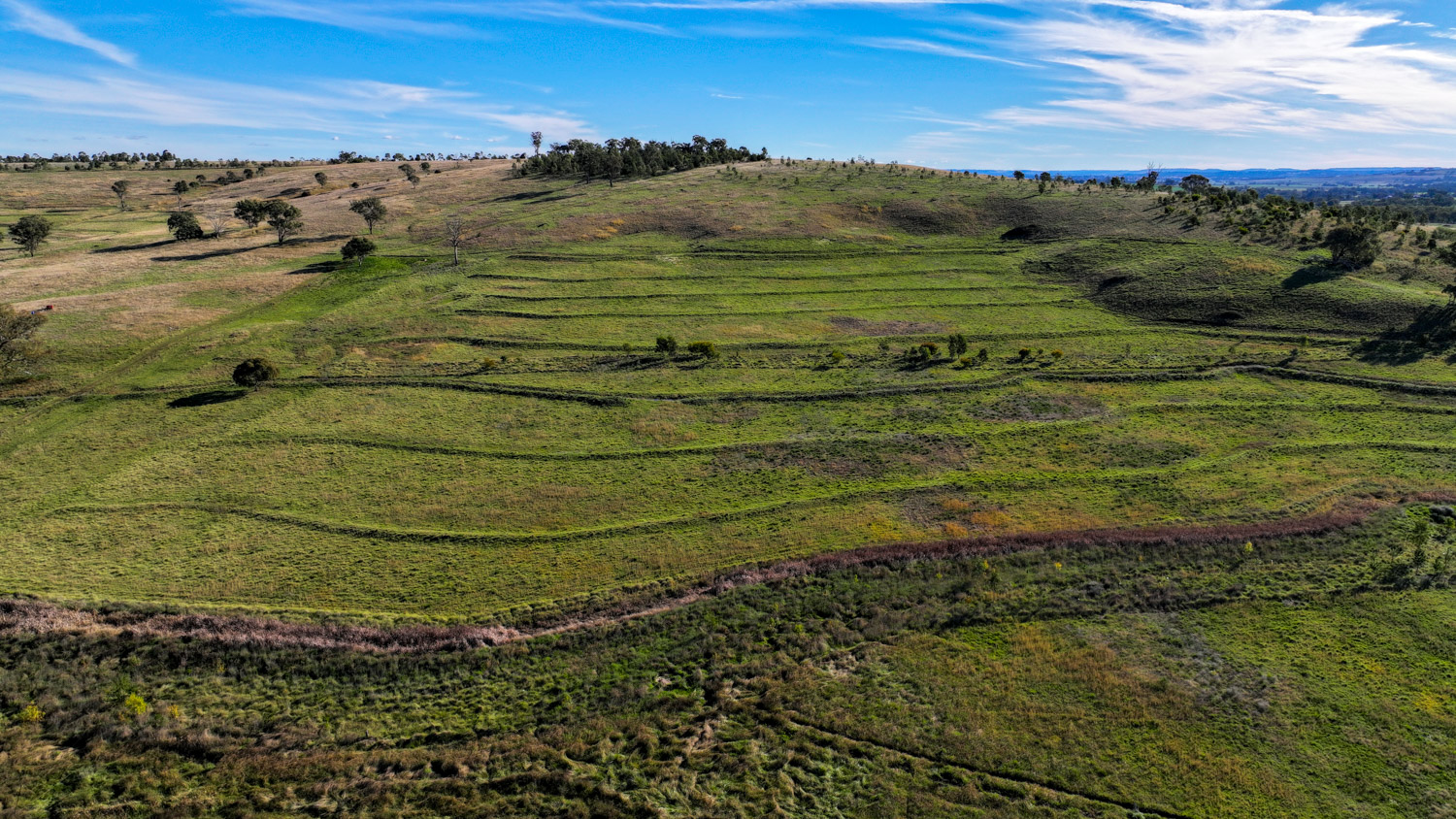
This case study shares the story of a group that came together to rehydrate the Swan Brook catchment, and how this project is inspiring and supporting other communities to start rehabilitating their catchments. The case study features farmers, extension staff and rehydration specialists discussing their motivations, the practical steps they took to begin catchment restoration, and their model for supporting, learning and sharing together.

Case Study: Rehydration on the Monaro
For more than three decades, Charlie Maslin has been carefully integrating livestock management with natural infrastructure to rehydrate the landscape on the family farm, Gunningrah. He has come to think about water in new ways and seen huge improvements to the health of the landscape and animals. The property now holds onto water for longer and supports a thriving and productive agro-ecosystem.
Podcast: Restoring the water cycle on the Monaro, with Charlie Maslin
We’ve heard from many farmers about creeks and rivers that are severely eroded, and landscapes that have lost their ability to absorb and store water. In big rain events water runs off and is gone in a matter of days or even hours. We’ve become accustomed to this, but what did those landscapes look and function like 100 years ago, or 200 years ago? Can farmers restore creeks and landscapes to their full potential, holding on to water for longer and utilising better?
This podcast episode is a collaborative effort with our friends at Mulloon Institute as part of their Communities of Practice Project. In it, we chat with Charlie Maslin, an amazing land steward raising cattle and sheep on the Monaro in New South Wales.
Charlie took us on his journey of landscape repair, which began with a change in grazing practices to improve ground cover, and then moved on to focus on repairing his degraded waterways to rehydrate the landscape and support a thriving and productive agro-ecosystem.
Podcast: The farming communities restoring natural water cycles — one catchment at a time
Australia has often been described as a land of droughts and flooding rains. But what we don’t often hear is that, for millennia, the land had a remarkable ability to regulate itself — through healthy ecology and the natural water cycle.
Since European settlement, however, we’ve seen a steady decline in soil health and water-holding capacity across much of the country. The rivers don’t flow like they used to, and the land struggles to bounce back from the extremes of flood and drought. The solution is to help restore nature’s ecological systems of water and nutrient cycling.
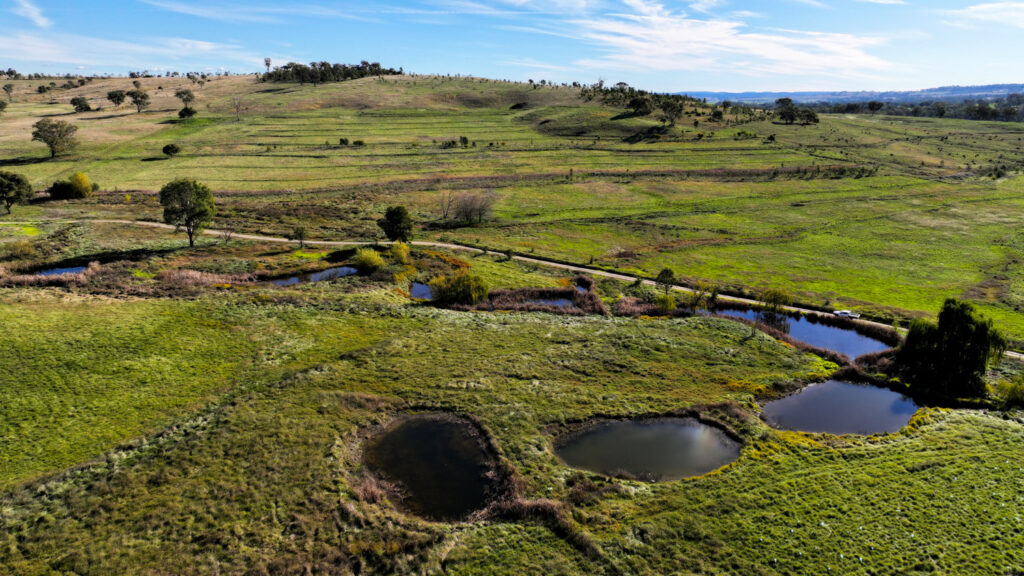
In this episode, we hear from two farmers who are restoring these natural water regulating systems, rehydrating their landscapes — transforming degraded paddocks into thriving ecosystems. They’ve embraced techniques that slow, spread, and sink water back into the ground — reviving their soils, crops, and communities.
And they’re not alone – across Australia, groups of farmers are coming together to restore entire catchments. Programs like the Mulloon Rehydration Initiative are proving that when we work with nature — not against it — we can regenerate not just one farm, but the broader ecosystems they’re part of.
Communities in action
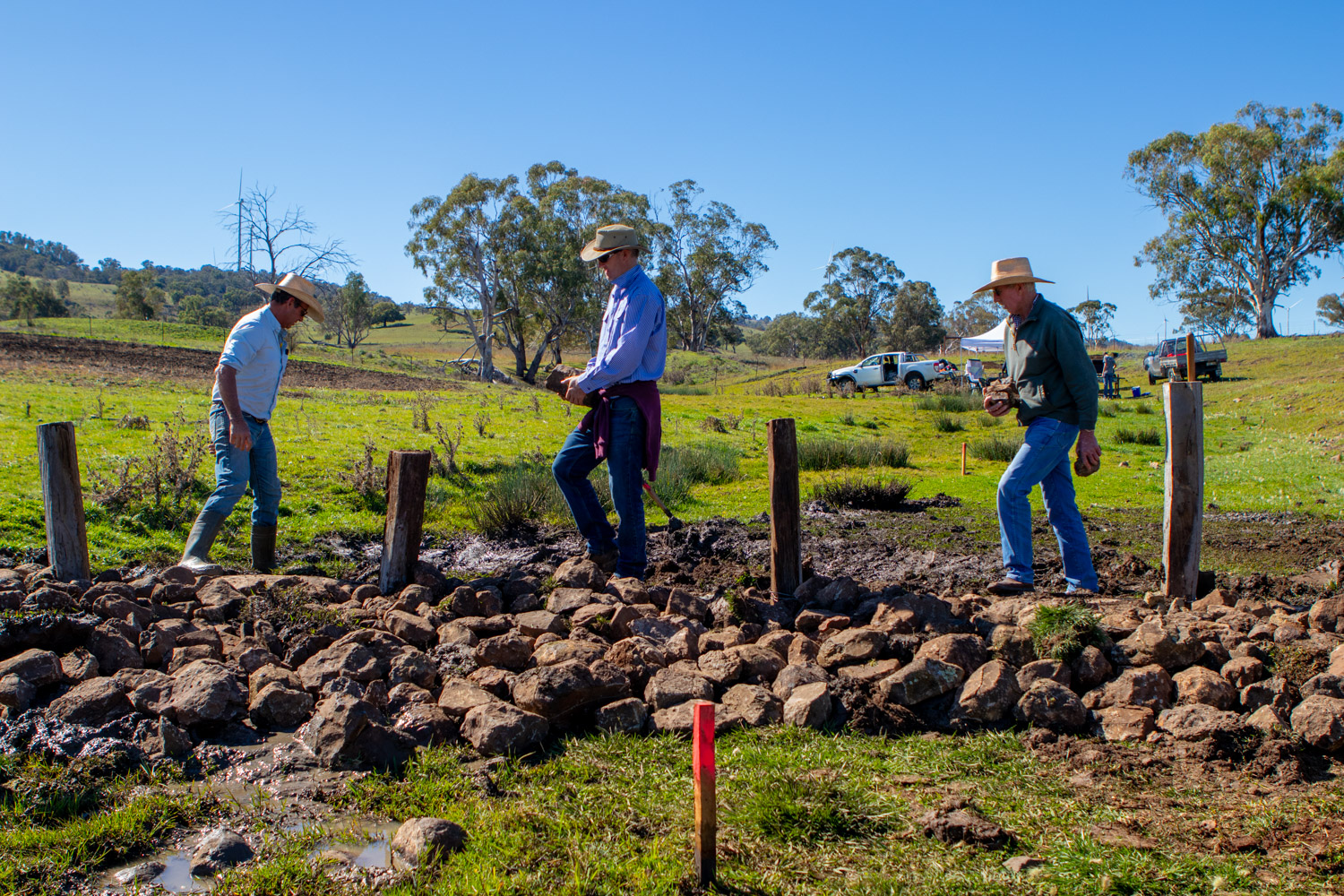
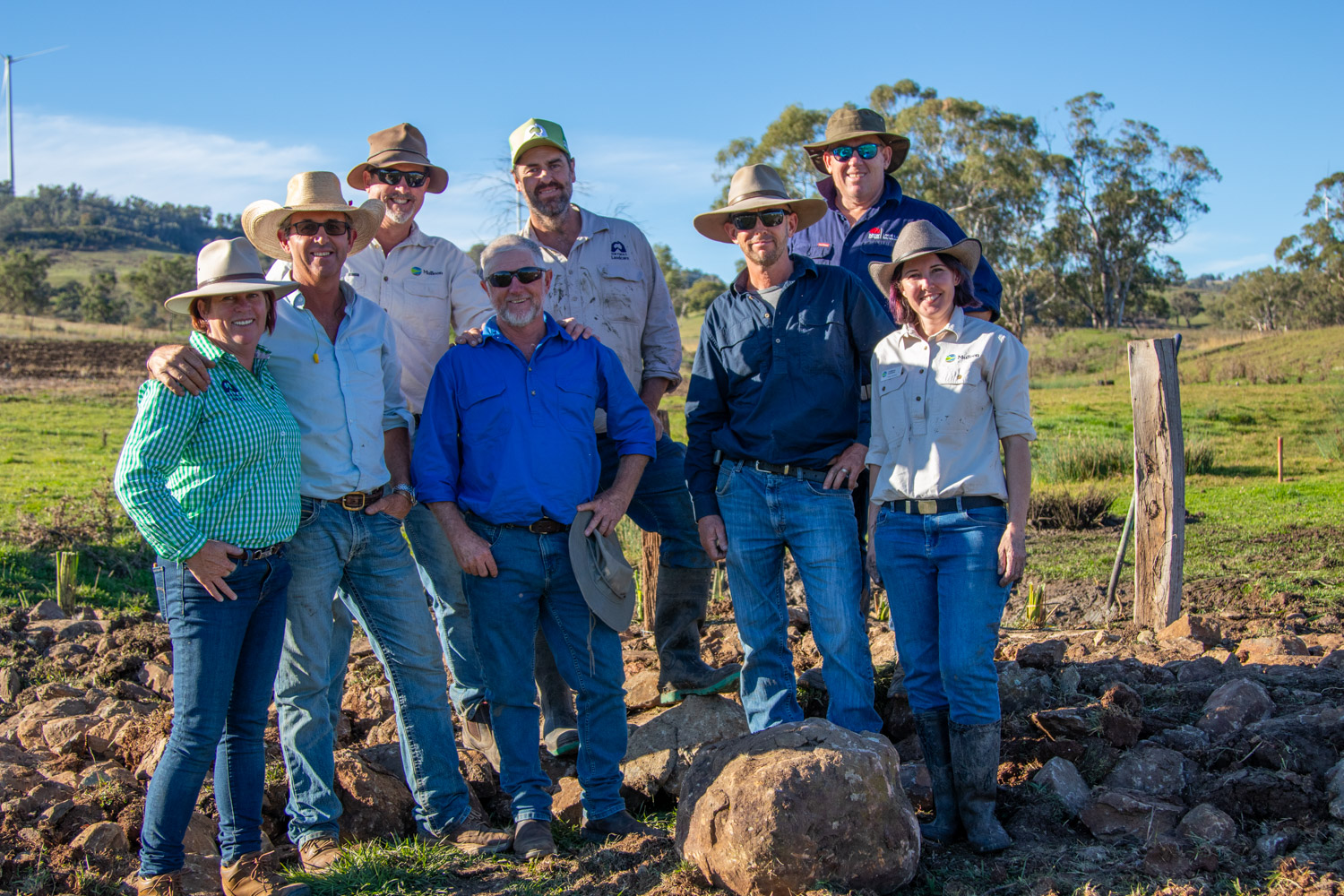
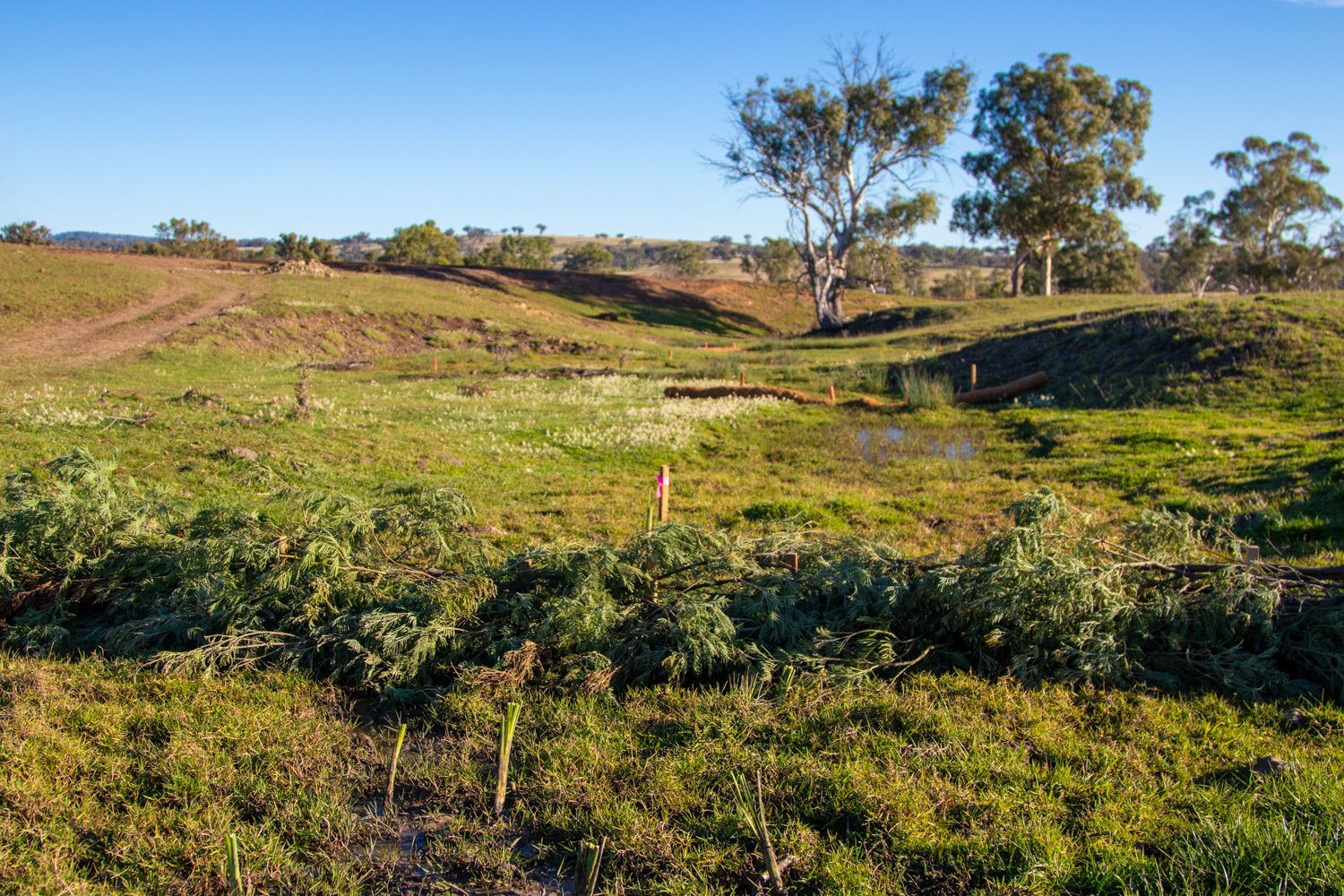
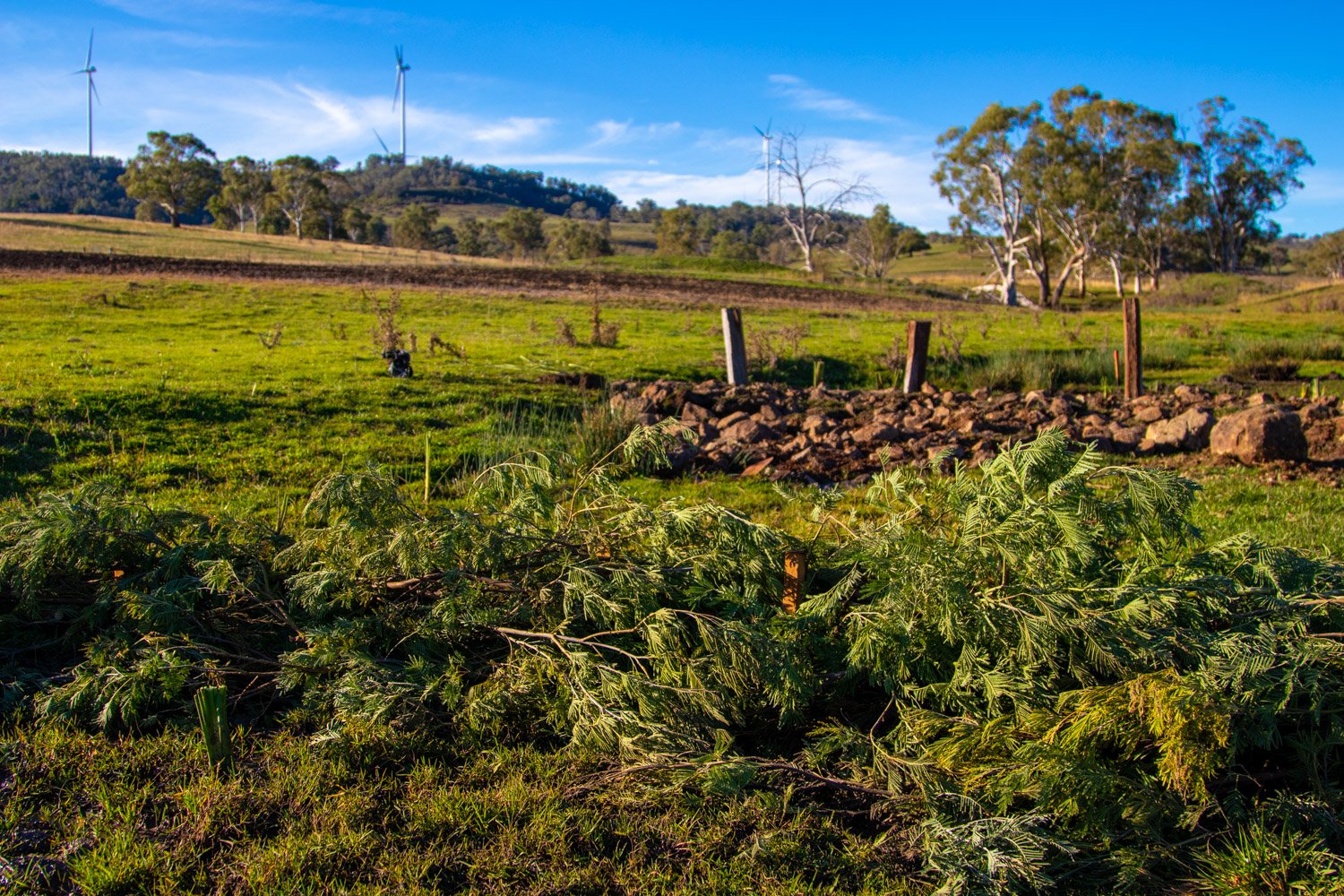
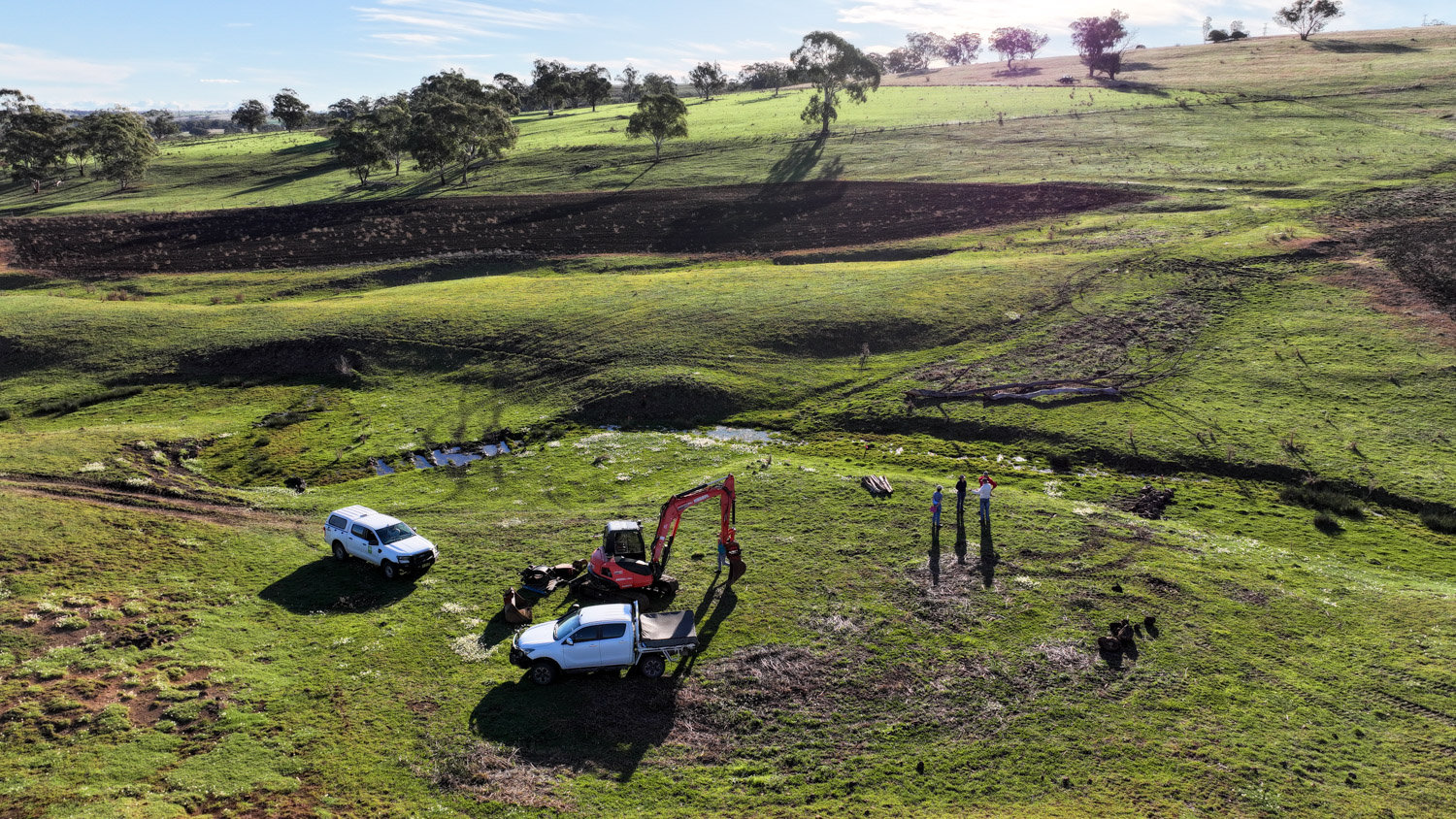
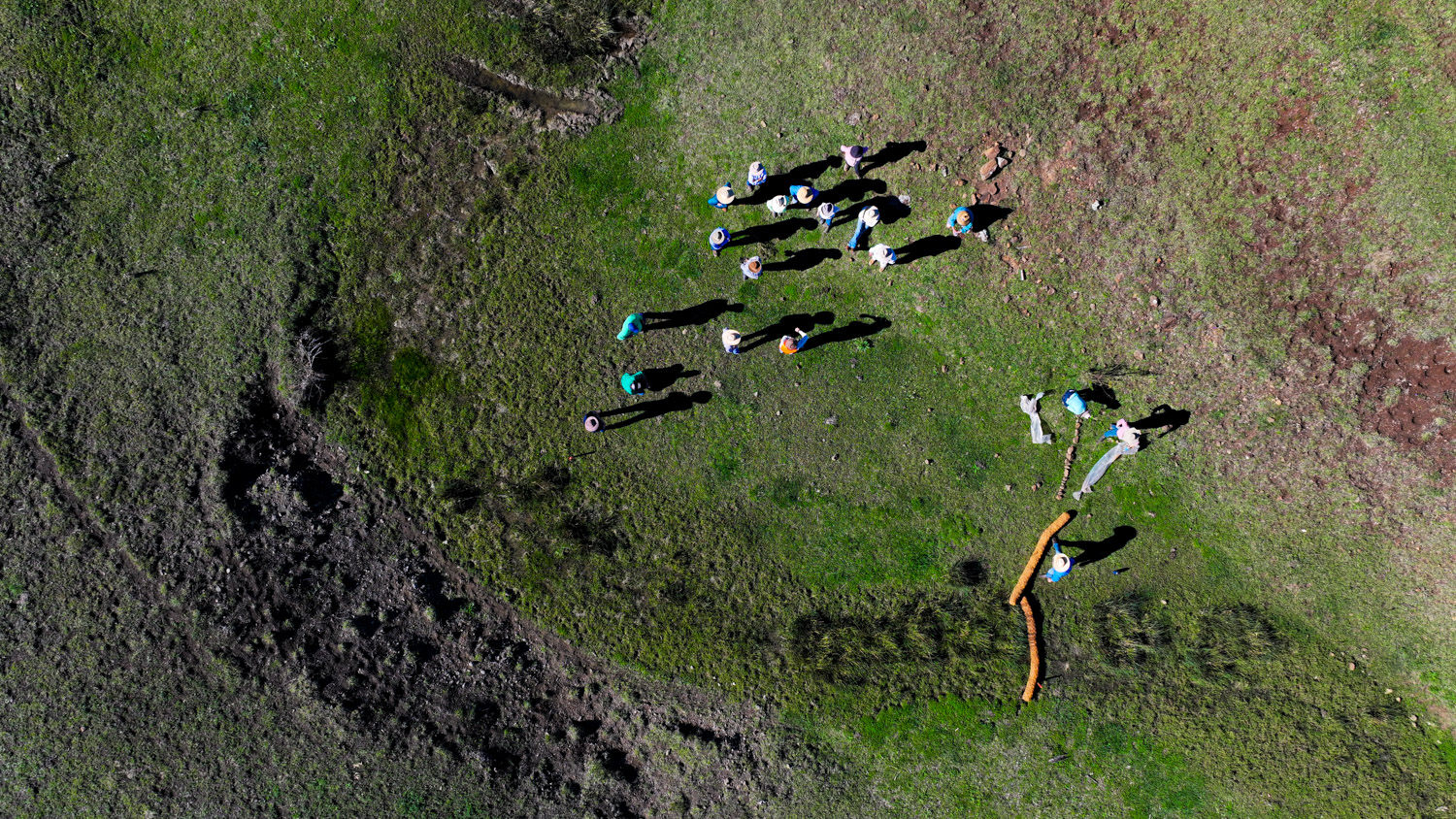
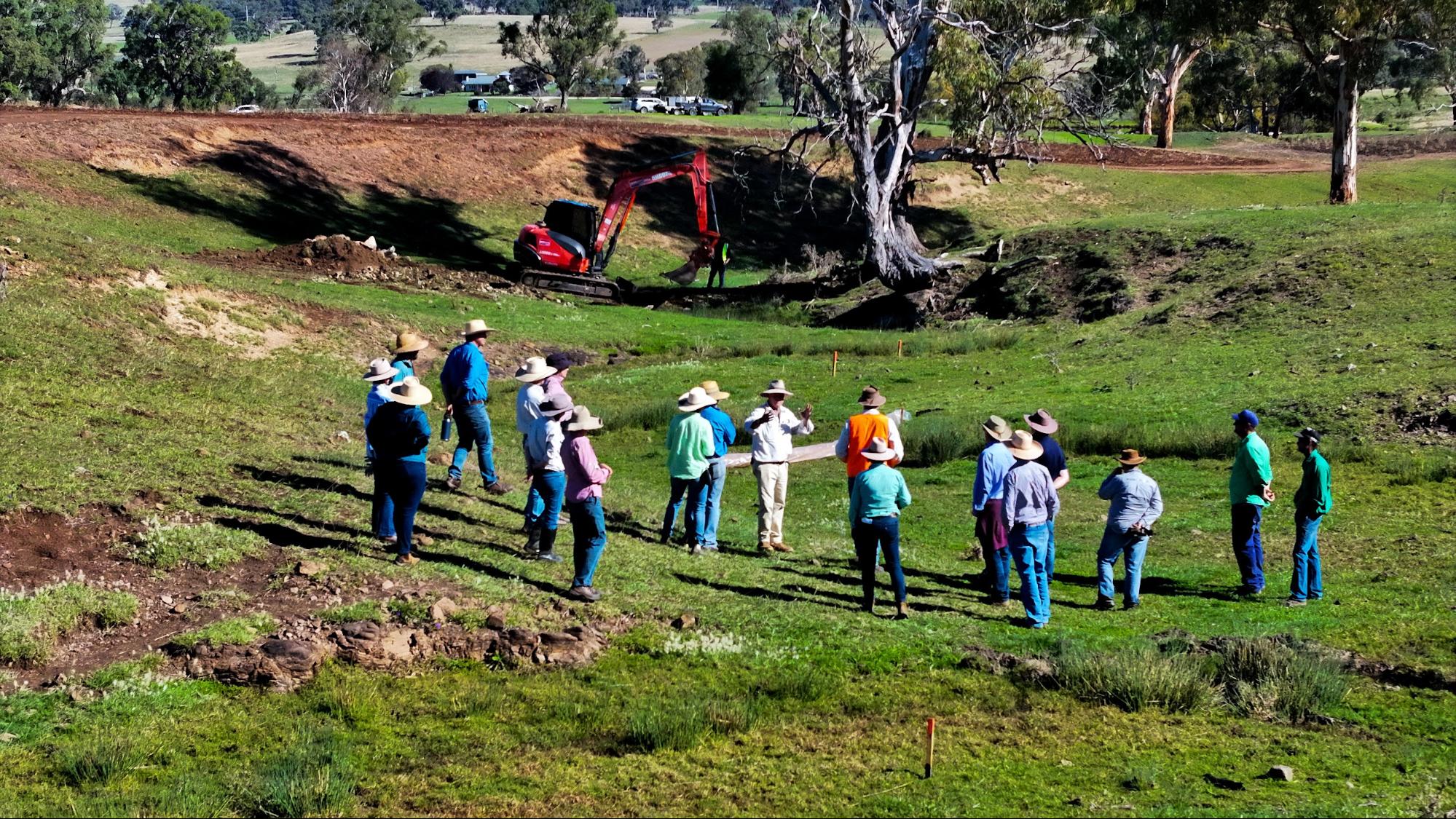
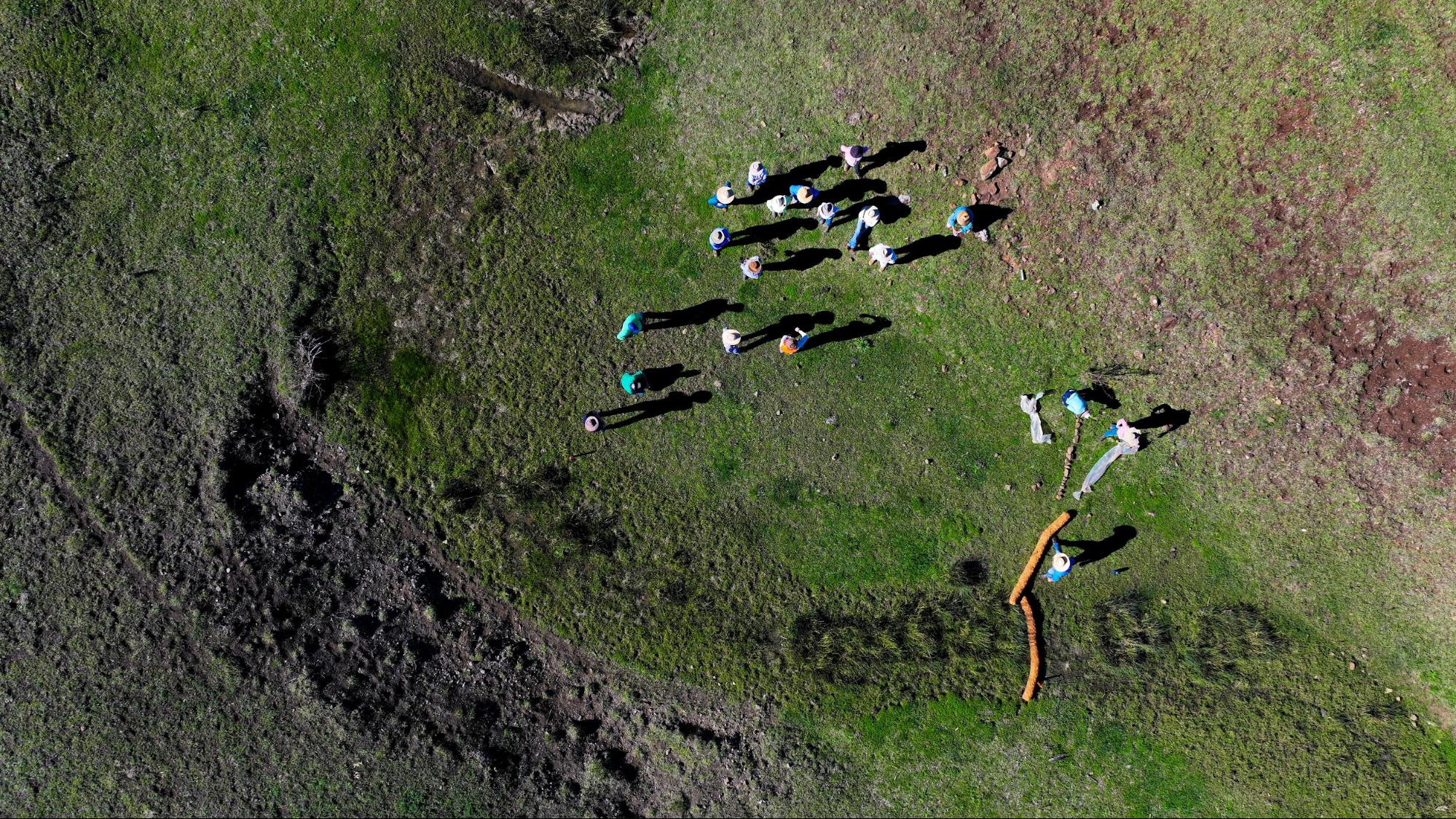
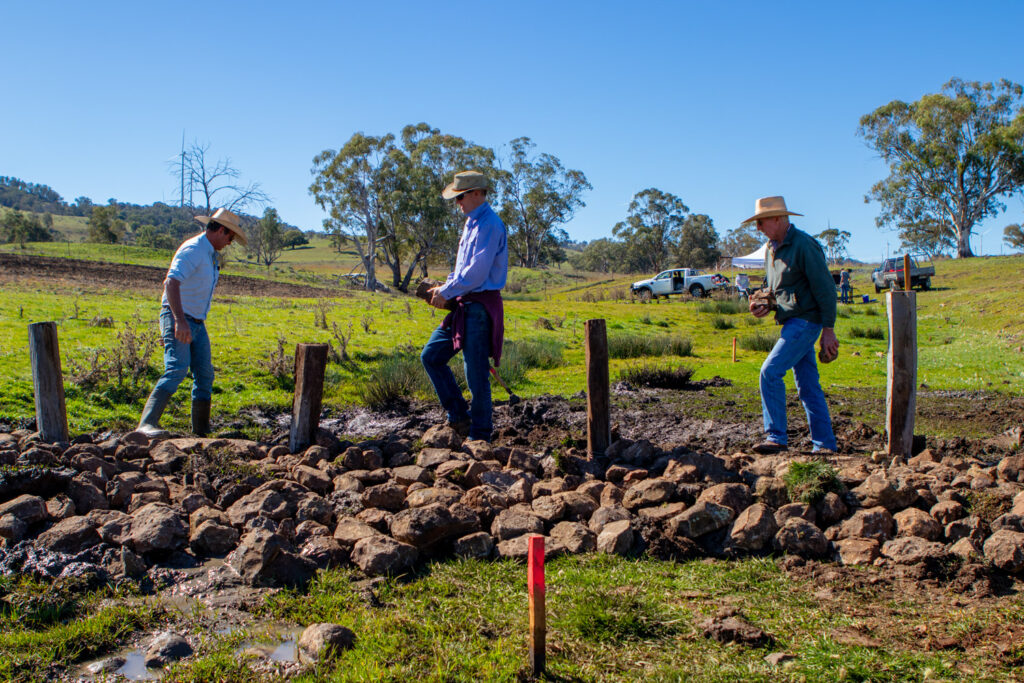
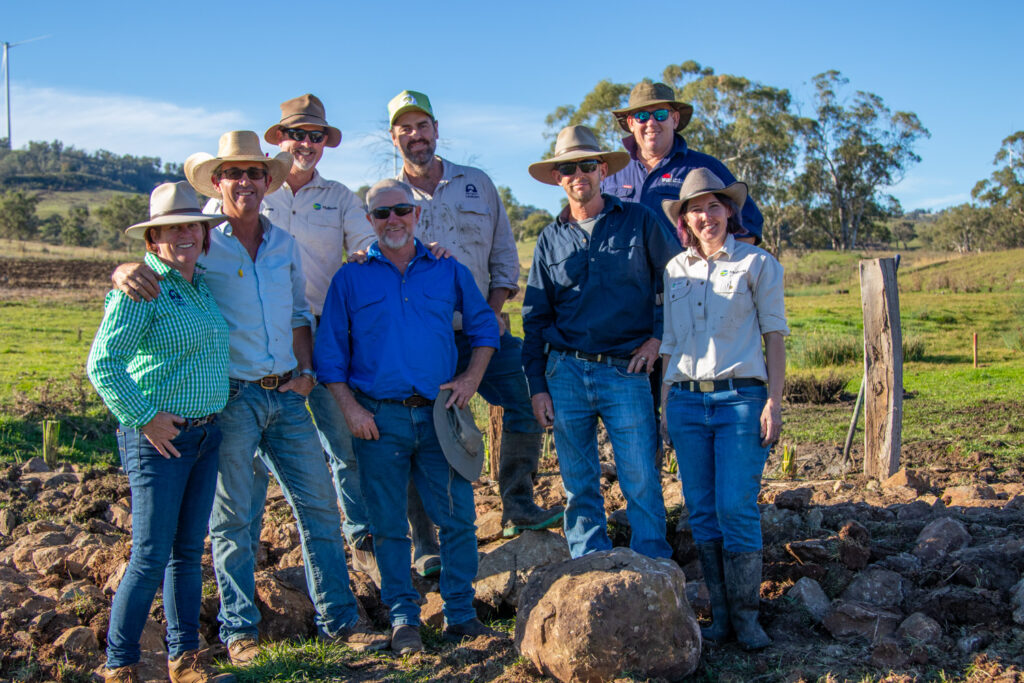
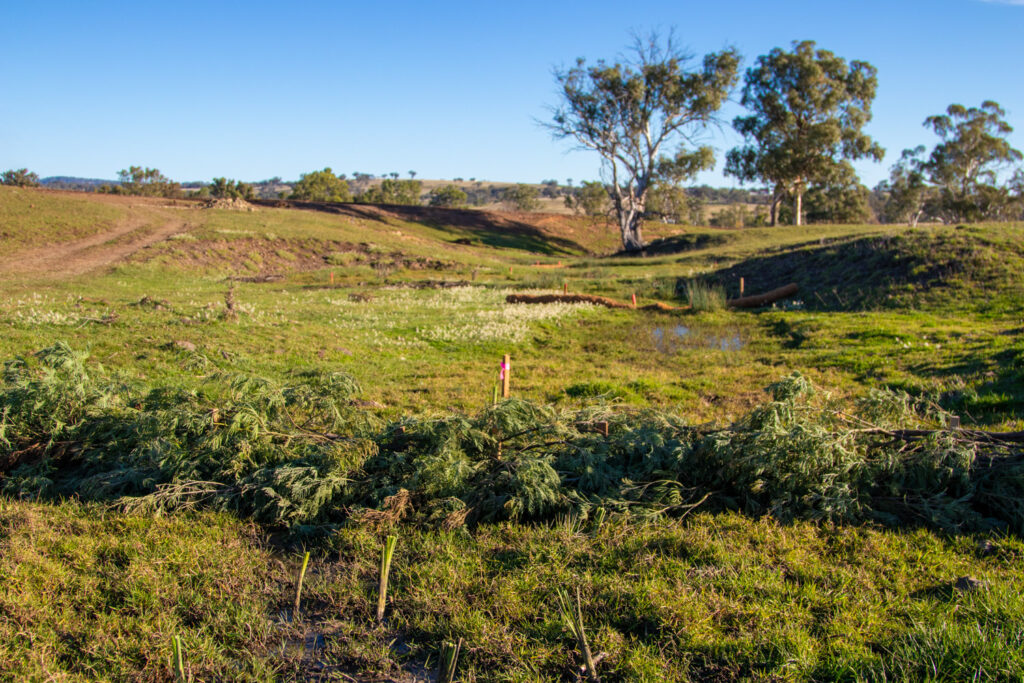
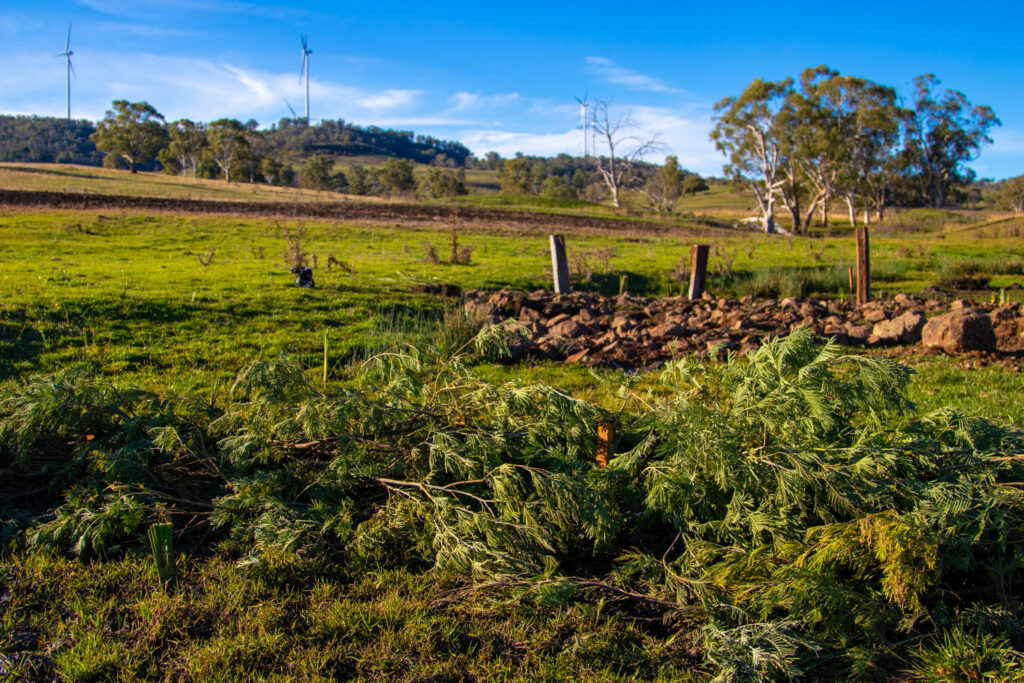
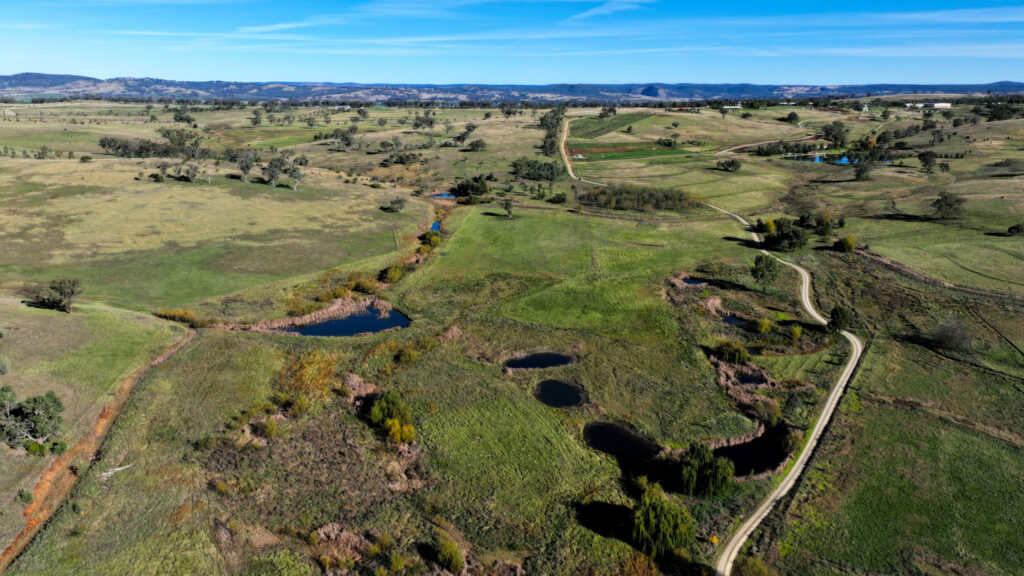
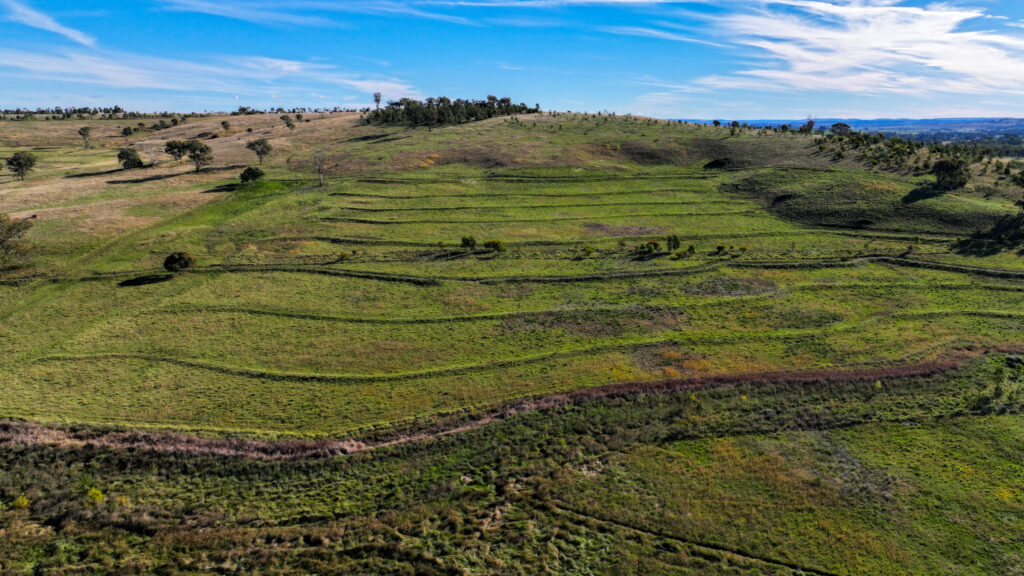
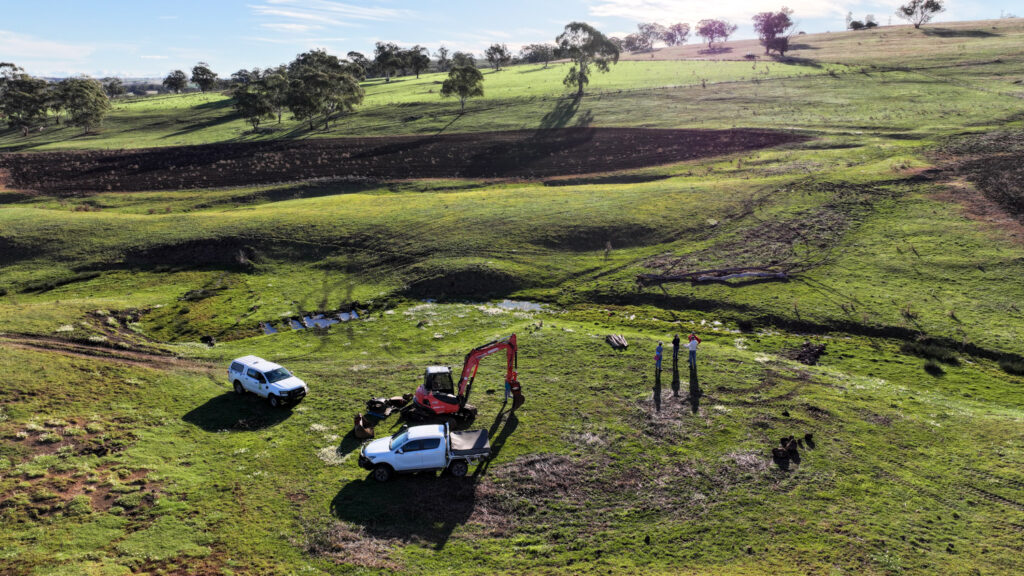
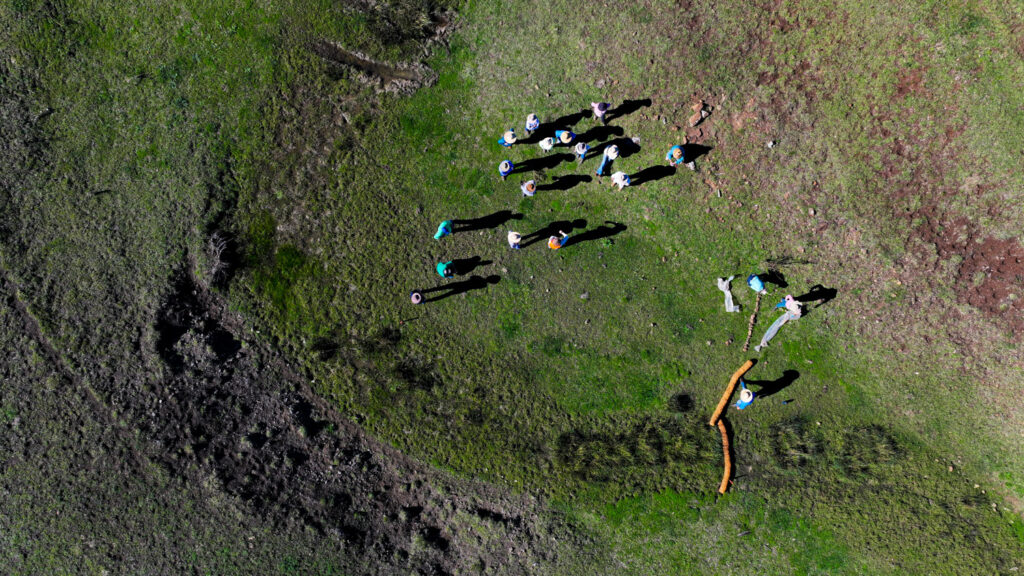
The greatest benefits can be achieved when communities of land managers work together to address problems at a catchment scale. The Northern Tablelands Communities of Practice group is made up of farmers from the Swan Brook catchment and beyond, GWYMAC Landcare, Swan Vale Landcare, Northern Tablelands Local Land Services and Mulloon Institute. The group recently came together at a Boots on the Ground event in May 2024 where they helped fellow farmer and project participant, Codie Law, build a few simple landscape rehydration interventions on his Swan Vale property, Yarrawa Park. Each land manager is working on their own rehydration project, supported by project partners and events.
Watch this space as we document the growth in the community of practice surrounding the Swan Brook catchment.
Further reading

Read our article on how land managers are working toghether, at cathcment scale, to redhydrate their landscapes and restore water funtion and degraded soils.

This project is supported by the Mulloon Institute, through funding from the Australian Government’s Future Drought Fund.
Updates & events
We’re often out in the field engaging with farmers and gathering information. Follow us on social media and subscribe to our newsletter to stay tuned for project updates, including case study developments and field day opportunities.