


Reflecting on two years of work on resilient cropping
Cropping often faces real structural challenges including low plant diversity, reliance on annual species, compacted soils, high input costs and market pressures and pressure from pests and weeds. Many farmers know this first hand, yet there is plenty of reason for optimism.
In partnership with Vic No Till, Macintyre Ag Alliance and RegenWA, we’ve been working closely with Australian grain growers who are redesigning their systems to build soil health and resilience. Many of these growers are looking to plant and soil monitoring and data analysis, tailored fertilisers (including micro and macro nutrients), biological inputs and amendments, reducing or phasing out insecticides and fungicides, and supporting diversity above and below ground to build soil health and improve resilience.
What’s been produced?
Over the past two years we have delivered:
- Nine practice guides including 28 case studies (the last practice guide is soon to be published!)
- Seven videos / video series
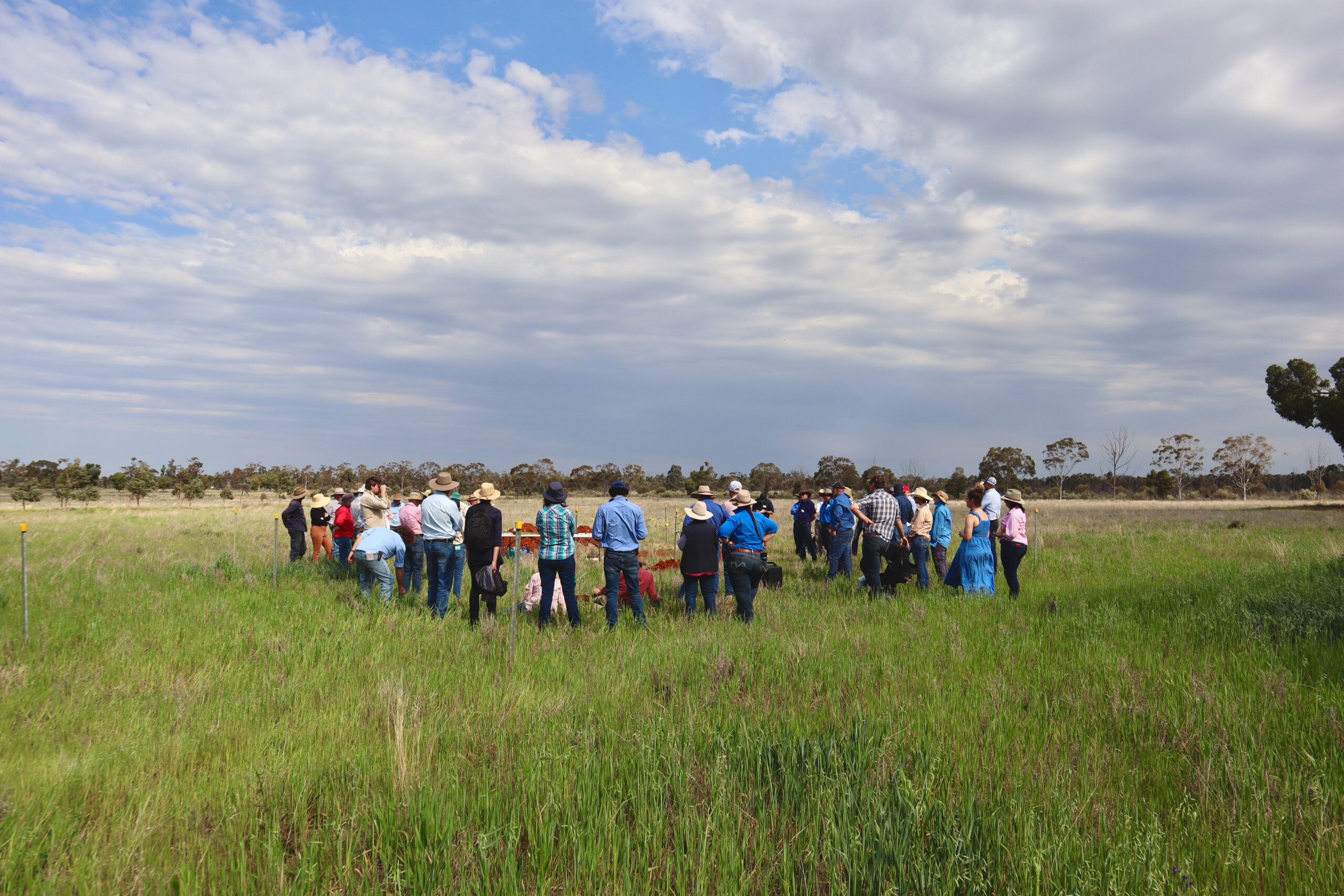
- Seven field days with our partners
- Seven webinars (you can view a few recordings here, here and here)
- Eleven podcasts
- Twenty one Cropping Convos – online Q+As with specialists
- Six online cropping discussion groups
- Subsidised access to Soilmentor for 26 farmers
Case studies
Our case studies illustrate how different combinations of practices have worked to build soil health in varied cropping contexts:
Grant Sims in northern Victoria is demonstrating the potential of multispecies in mixed farming systems. Multispecies crops have helped Grant to build soil structure, increase fungi and microbes in the soil, and increase the biomass and mineral density of plants. They have been an important part of his strategy to reduce inputs, and have enabled him to virtually eliminate fungicides and insecticides from his enterprise.
Myles and Julie Ballentine in Banana, QLD have focused on soil and plant health to refine their nutrition program and build resilience into their system. They brew biofertilisers on farm to use as a seed treatment, soil drench and foliar fertiliser. With healthier plants they are seeing less pest and disease pressure and lower pesticide costs.
Tom and Cassi Robinson near Hoyleton, SA carefully monitor crop health to refine their foliar program of micronutrients, macronutrients and biostimulants. They focus on meeting the crop’s needs throughout the season, and now use only about 20–30% of their past granular fertiliser rates, which comes with some big cost savings.
For Brendan and Felicity Pattison, intercropping has supported their ongoing transition towards soils that are driven by biology and plant diversity rather than by seasonal inputs. The Pattisons intercrop legumes to consistently supply nitrogen to their soils and have observed faster residue breakdown and improved nutrient cycling since they started intercropping. ‘Instead of having to go and spread urea, we’d like to grow it,’ says Brendan.
Where to start
There is no one right way to build soil health, but working with our case study farmers and peer groups we have identified five starting points that can help grain growers take practical steps towards more resilient systems:
- Find your community
Cropping for soil health is complex and context specific. Surround yourself with people you can learn from, share ideas with and who support you. - Understand your soil
Use soil tests and visual assessments to identify your limiting factors such as compaction, acidity or sodicity and focus your efforts where they will have the most impact. - Monitor plant health
Building resilience starts with healthy plants. Plant tests, Brix readings and visual assessments can help you to understand your crop needs in real time. This means you can respond early, reduce vulnerability to pests and disease and rely less on firefighting with chemicals. - Refine your nutrition program
Tailor your nutrition to what the plant needs. Address micronutrients, trial biostimulants and/or biofertilisers and consider targeted foliar applications to meet plant needs at key growth stages. Start small, monitor the results and scale what works. - Reduce reliance on insecticides and fungicides over time
Begin with the seed. Consider bare seed or biological seed treatments and focus on building plant resilience through healthier soils and better nutrition. Use monitoring to guide decisions rather than default to broad spectrum products that can have unintended consequences for beneficial insects, microbial communities and plant resilience.
Beyond these five starting points there are also many opportunities to begin harnessing the soil and landscape benefits of plant diversity, starting with your crop rotation and exploring intercropping or multispecies cropping. There are also opportunities to leverage biological inputs and biostimulants, and approach weed management in a more integrated way.
Looking forward
The future of resilient cropping will continue to be shaped by farmers’ curiosity, experimentation and connections with each other. We are proud to be supporting that community and look forward to continuing this work with our partners and growers across Australia. This year, we will pilot a peer-based training program that takes these insights into the paddock. Stay tuned for more!
Stay connected
Sign up to our newsletter to receive project updates and hear about upcoming events, field days, webinars, farmer groups and more, or get touch anytime at [email protected]