

FREE WEBINAR SERIES
Orchard Convos – ‘Ask me anything’ series
Our Orchard Convos – ‘Ask me anything’ series is an opportunity to connect with a range of agronomists, agroecologists, and consultants over a casual Zoom call with other fruit and nut growers. You can ask your burning questions and discuss your challenges on a range of topics including interrow management, biological controls, farm planning and more.
These free online sessions are held over an hour and run from the 26th May – 3rd June.
Upcoming sessions
Darren Doherty and Campbell Mercer on Farm Planning for Orchard Resilience
Tues 26th May, 12pm AEST (this session will run for 1.5hours)
Dr Paul Horne and Rebecca Addison on Life Cycles and Management of Beneficial Insects in Orchards
Thurs 28th May, 12pm AEST
Dean Metcalf on Biological Controls for Orchards
Wed 3rd June, 12pm AEST
Abigail Makim on Biodiversity and Interrow Management in Orchards
Thurs 4th June, 12pm AEST
When
26th May – 4th June 2026
Where
Online via Zoom
Tickets
Registration is free but essential to access the event zoom link.
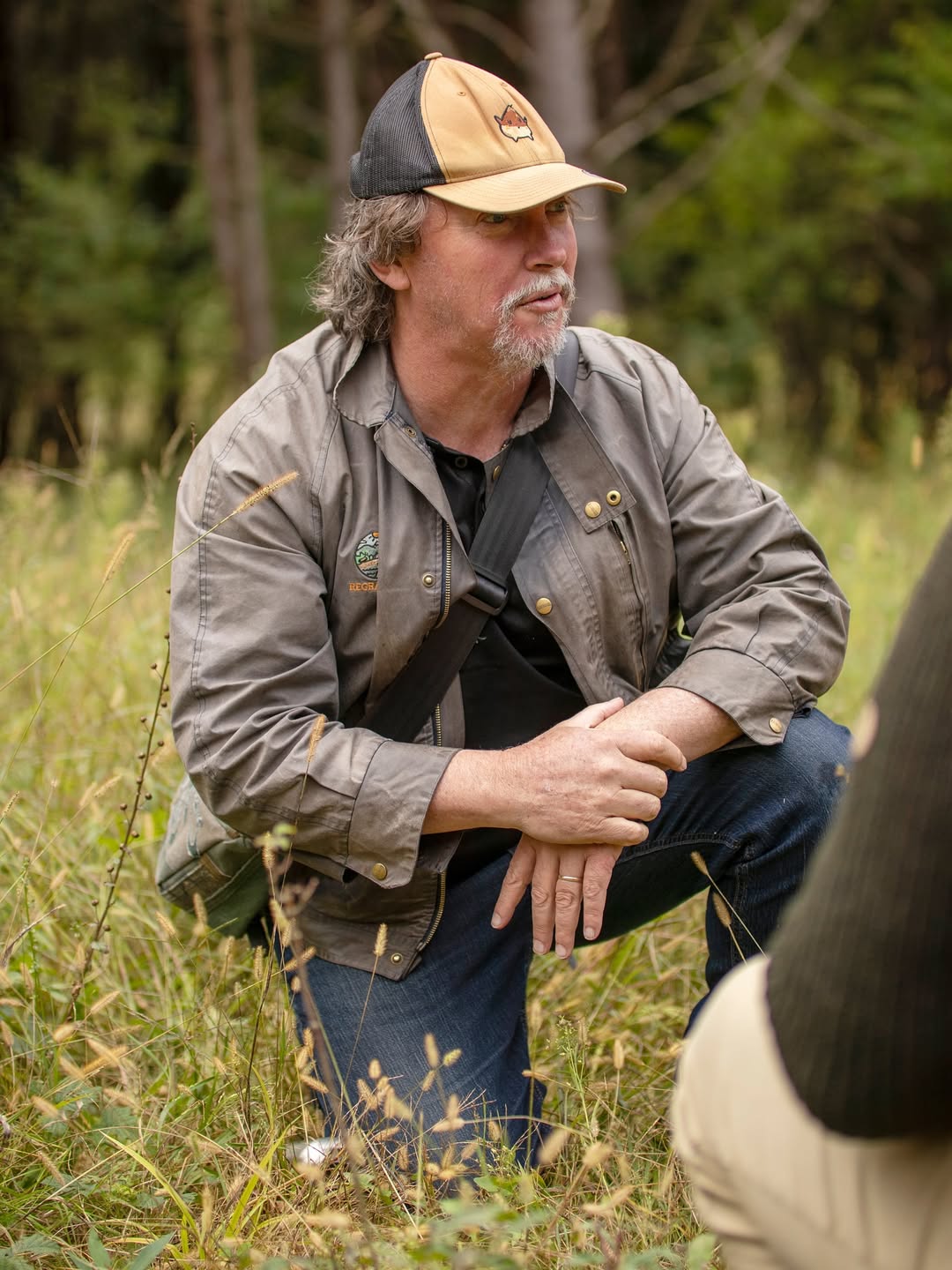
Darren Doherty
Darren J. Doherty is a farm planner and founder of Regrarians Ltd. and creator of the Regrarians Platform® – a comprehensive agroecological landscape, enterprise and training framework. Darren has worked with tens of thousands of people worldwide, playing a key role in design and planning for a range of farm systems including perennial tree crops, and has been a pioneering figure in bringing regenerative agriculture to multiple continents through world tours and the REX online farm planning programs. He lives and works with his family on Dja Dja Wurrung country in Victoria, Australia.
IG: @regrarians
FB: www.facebook.com/Regrarians
Web: www.regrarians.org
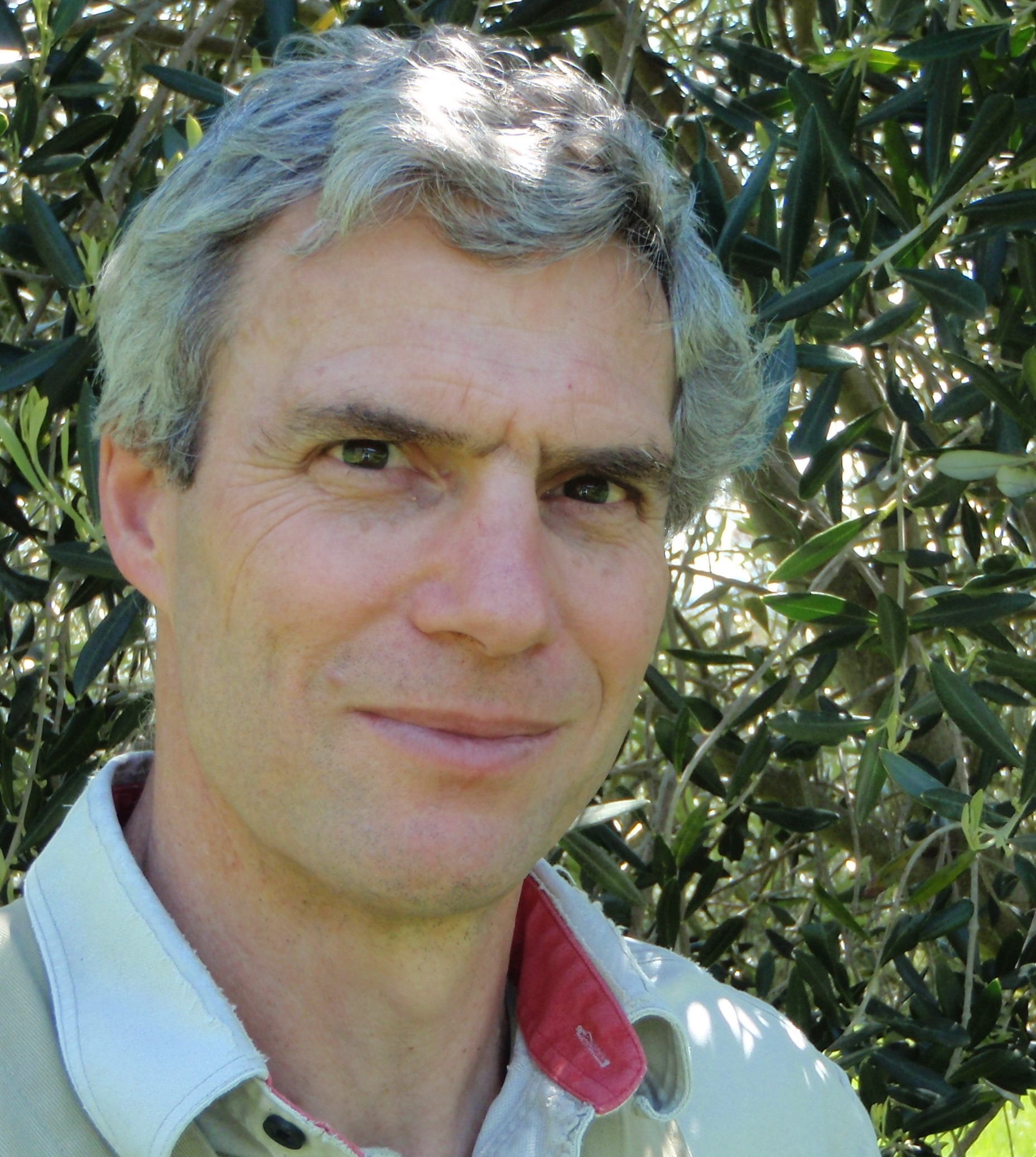
Campbell Mercer
Campbell Mercer is the owner and operator of Manna Hill Estate, a property that incorporates a dry range 2500 tree olive grove, agroforestry, and (sometimes) sheep grazing. Campbell is passionate about improving soil health, enhancing landscape function and building resilient farming approaches. The grove was established in 2002 and is now certified Organic & Biodynamic (SXC) and Regenerative (AGW) – the first olive grove in the world and the first farm in Australia to be certified regenerative by A Greener World (AGW). The grove achieved five consecutive gold medals from 2020 for their organic, cold pressed, unfiltered extra virgin olive oil in the Australian International Olive Awards.
IG: @mannahill.estate
FB: www.facebook.com/mannahillestate.com.au
Website: mannahillestate.com.au
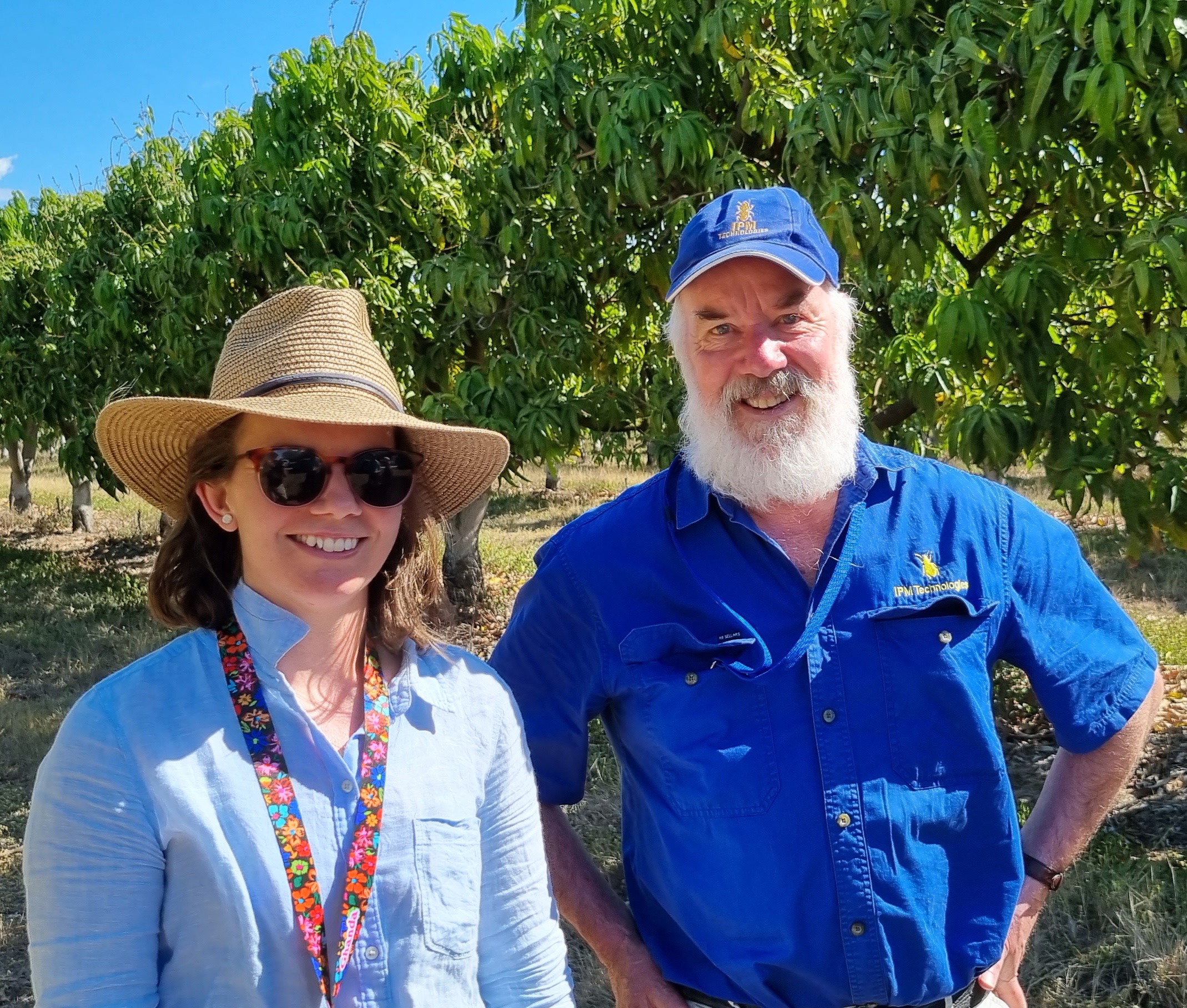
Dr Paul Horne and Rebecca Addison
Dr Paul Horne is an entomologist and since 1996 has been owner and director of IPM Technologies Pty Ltd, based in Hurstbridge, Victoria, Australia. A major focus of his work has been the implementation and adoption of integrated pest management strategies. This has also involved a strong research component on the impact of pesticides on species of beneficial invertebrates. He has written several books and published over 70 scientific papers on entomological topics. Joining him is Rebecca Addison, a consultant at IPM Technologies based in Tasmania and has an extensive background in agronomy and production of soil and hydroponic berry crops with a focus on pest and disease management, irrigation and nutrition. Rebecca and Paul work together across Australia and New Zealand, assisting farmers and advisors to develop and implement IPM strategies to manage insect pests in their crops.
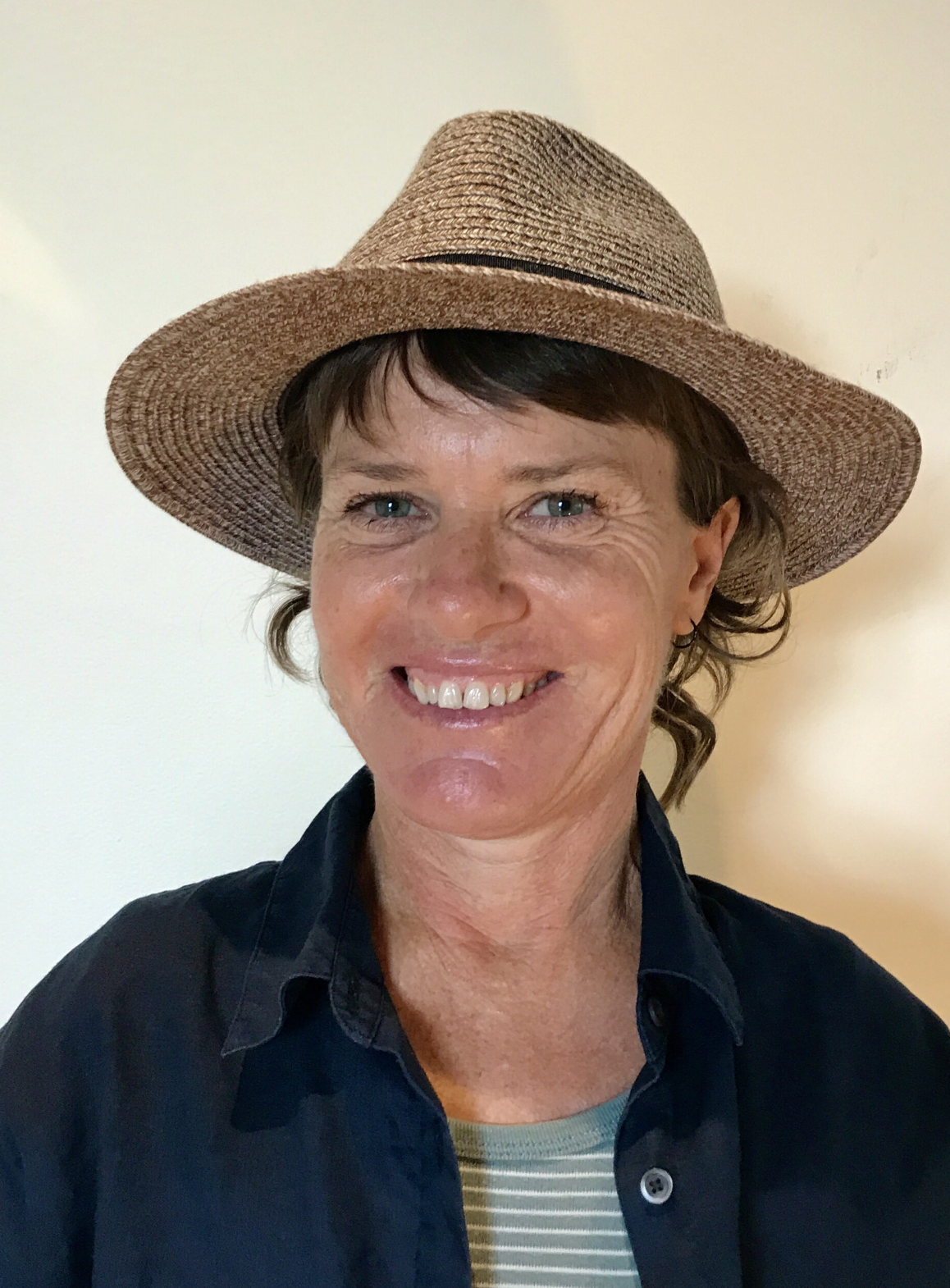
Abigail Makim
Abigail is an agricultural ecologist working in crops ranging from macadamias & avocados to lychees & blueberries. She works with growers to implement cover crops and native vegetation areas, to ensure the regeneration and sustainability of ecosystem services on-farm.
Dean Metcalf
Dean Metcalf is a plant pathologist with over 30 years of experience developing organic solutions for crop disease. He founded BioControl Australia, developing and manufacturing a range of certified biological control agents using antagonistic microorganisms. His work spans some of horticulture’s most persistent disease challenges, including Botrytis, Monilinia, Sclerotinia and Phytophthora.
The Orchard Resilience Project is supported by the Australian Government through funding from the Climate-Smart Agriculture Program under the Natural Heritage Trust.