

Soils for Life supports farmers to build healthy soils, for resilient people, communities, businesses and landscapes. We provide resources, training and education with a focus on clear, practical and credible knowledge and farmer-to-farmer sharing.
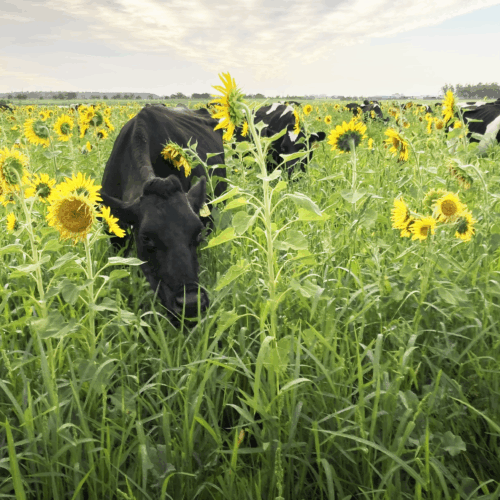
Dairy: Building soil health and climate resilience in dairy systems
Supporting dairy farmers through shared learning, monitoring and practical experience.
Dairy farming is vulnerable to climate change due to the sensitivity of milking cows to heat stress. At the same time, there’s growing pressure to reduce emissions, nutrient runoff, and soil degradation, all while managing rising input costs and shifting market expectations around sustainability.
Transitioning to climate-smart practices is complex due to the need for continuous milk production. Leading farmers are showing how practices like multispecies crops, adaptive grazing and integrating trees can improve ecological health, reduce emissions and boost profitability.
We are working with dairy farmers across Australia to build climate resilience by strengthening soil health and landscape function, through demonstration sites, peer learning programs and a range of practical resources to support informed decision-making.
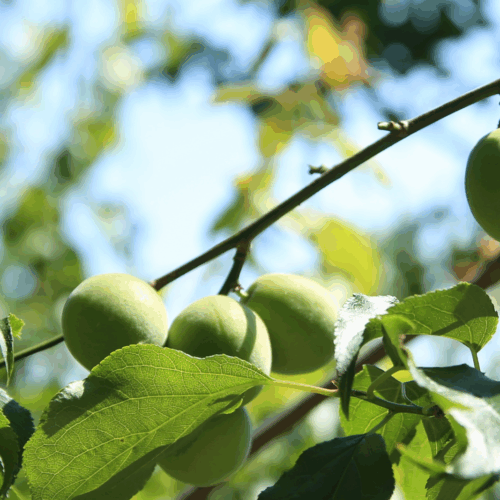
Orchards: Soil health and resilience for perennial systems
Helping perennial horticulture growers strengthen soil health and resilience in tree and vine crops.
Australia’s perennial horticulture industry is both acutely vulnerable to climate impacts and uniquely positioned to lead the adoption of climate-smart, sustainable farming practices that contribute to biodiverse, healthy landscapes. As permanent, low-disturbance farming systems, they respond well to climate-smart practices that improve soil health, water availability and biodiversity and the benefits tend to be long-lasting.
We are working with Australian perennial horticulture growers to build soil health and climate resilience through demonstration sites, peer learning and tailored resources designed for orchard and perennial farming systems across diverse regions. This project, with First Nations participation embedded throughout led by Native Foodways, will also aim to support Indigenous farmers and foster knowledge exchange between First Nations land managers and non-indigenous farmers.

Cropping: Practical pathways to resilient cropping systems
Supporting croppers to build healthier soils and drought resilience through peer learning and practical insight.
Cropping systems are traditionally input heavy and can place real pressure on soil and landscape health. Many Australian farmers are working to change this. Drawing on their experiences, we have developed practical guides, case studies and other resources to support farmers to build soil health in cropping systems.
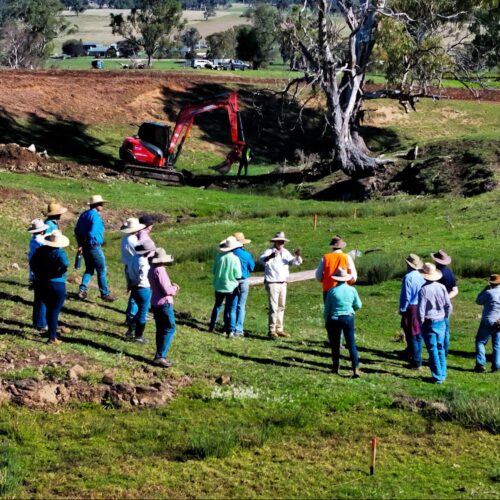
Landscape rehydration: Restoring water function at scale
Improving water cycling and climate resilience through practice change and natural infrastructure.
Landscape rehydration offers strong opportunities to restore hydrological function, improve soil health and build resilience to droughts and floods, with benefits amplified when implemented at a catchment scale. However, adoption is often constrained by long timeframes for outcomes, technical complexity and the need for coordinated action across property boundaries. Communities of Practice help address these challenges by enabling peer learning, shared observation and collective planning. By strengthening water cycling alongside local learning networks, land managers are better equipped to adapt to changing conditions, manage climate risk and sustain collaboration beyond the life of individual projects.
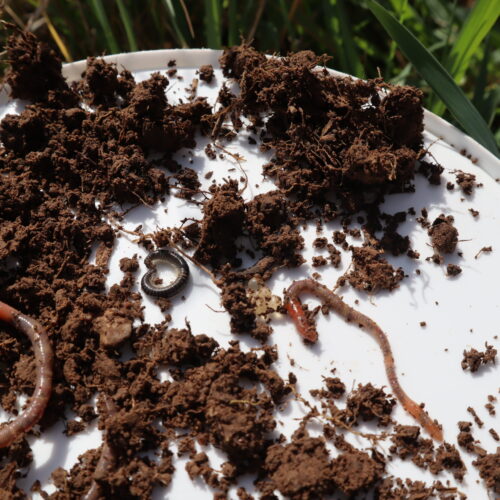
Soil monitoring: Making soil health visible and useful
Supporting farmers to measure, understand and learn from soil health data to inform better decisions.
Soils for Life supports farmers to monitor soil health and interpret what the results mean for their systems by providing practical, easy to follow guides and on farm demonstration days. We also support farmers in sharing experiences and observations, which enables them to contribute to a growing body of practical knowledge about soil function and resilience.
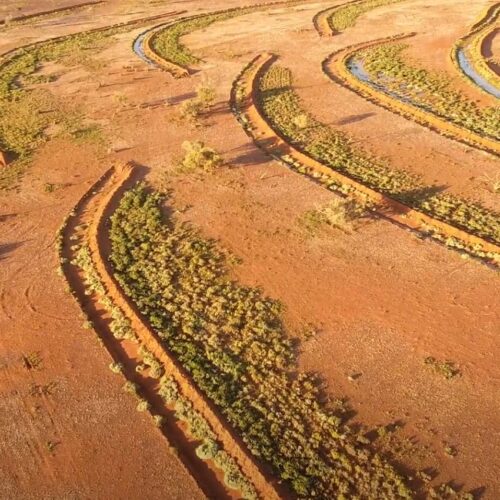
Rangelands: Building resilience in challenging environments
Learning from opportunities in Australia’s vast arid and semi-arid landscapes.
Rangelands graziers around the world are grappling with increasingly extreme fluctuations between flood and drought. Building diversity in the landscape can create the resilience to withstand both flood and drought.
Healthy soils can absorb more water during heavy rainfall, preventing erosion and damage, while also storing water to release it more slowly. This keeps plants and soils holding on for longer in dry times, helping build soil function and increase the chances for landscape repair
Through evidence-based case studies from the Rangelands Living Skin project, supported by both Soils for Life and DPIRD, we highlight how producers are navigating soil and landscape resilience in these challenging environments. These case studies demonstrate how land managers in Australia’s rangelands are using innovative, practical strategies to adapt to extreme weather patterns and improve long-term sustainability.
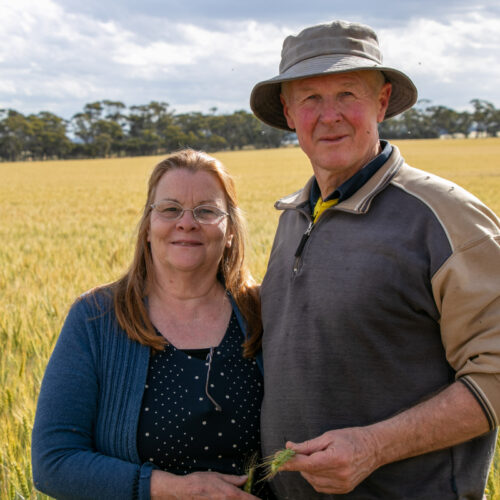
Case studies: Real farmer stories, grounded in evidence
Documenting farmer experiences and sharing practical guidance on soil regeneration
Our long-running case study program documents land managers’ experiences of building healthier soils and landscapes. These stories underpin our learning programs and help you learn from others’ successes, challenges and ongoing experiments.
Research partnerships: Connecting research and real-world farming
Partnering with researchers to ensure farmer experience informs research.
Soils for Life works with research partners, including the CRC for High Performance Soils, to connect farmer experience with research and policy. These partnerships help ensure research outputs are relevant, practical and accessible.
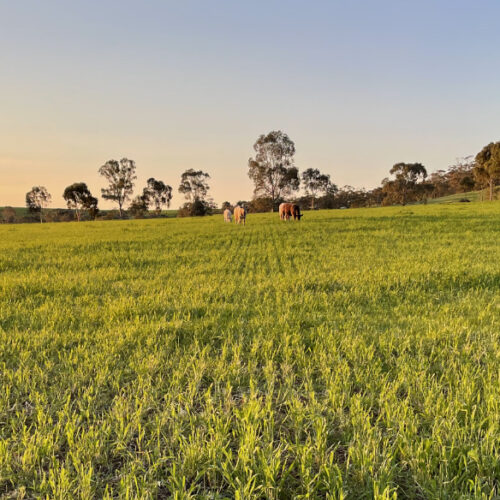
Innovation hubs: Farmer-led learning and experimentation
Supporting farmer-led innovation and local learning through collaborative, place-based projects.
Projects such as Paddock Labs support local innovation by placing farmers at the centre of learning and experimentation. Using collaborative and citizen-science approaches, farmers, advisors and facilitators explore practical pathways to drought resilience together.
